
When to Hunt: Best Times for Deer Success
Table of Contents
- Best Time of Day for Deer Hunting: Morning vs. Evening
- Using a Solunar Hunting Calendar to Plan Your Season
- Hunting During the Rut: When to Hunt for Big Bucks
- Seasonal Timing: When to Hunt Early vs. Late Season
Last Updated: August 19, 2026
Knowing when to hunt is the single biggest factor separating hunters who fill tags every season from those who come home empty-handed. Below, we'll break down the best time of day for deer hunting, how to use a solunar hunting calendar, when to be in the woods during the rut, and how to adjust your strategy from early season through late season.
Best Time of Day for Deer Hunting: Morning vs. Evening
The best time of day for deer hunting is the two-hour window surrounding sunrise and sunset. Deer are crepuscular animals, meaning their activity peaks at low light.
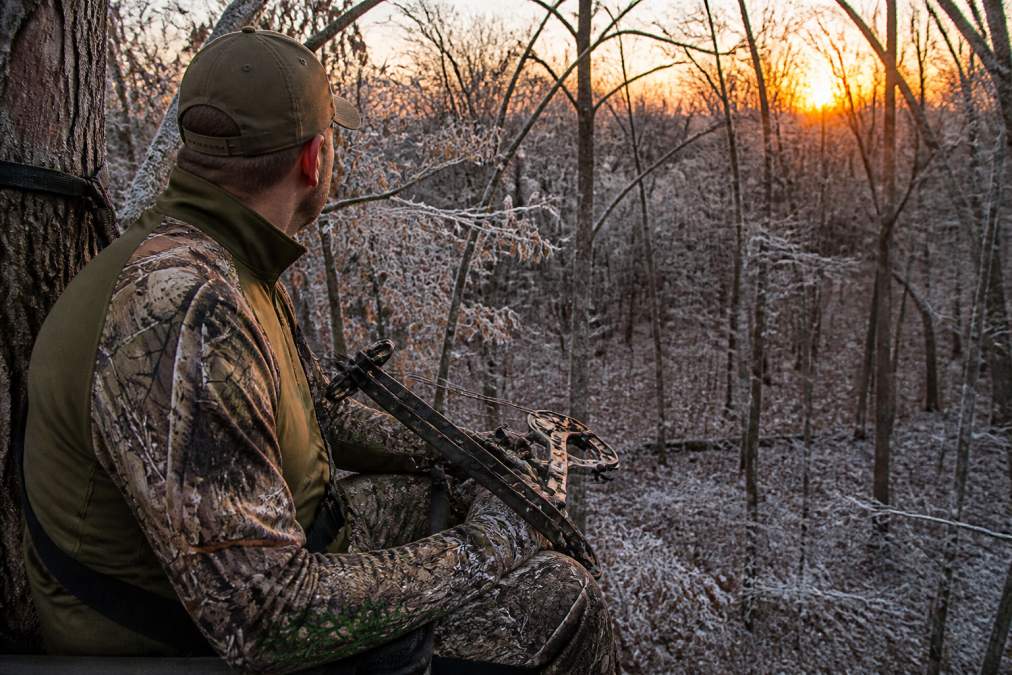
Morning stands work best when you can access your location without blowing deer out of their bedding areas. Thermals rise as the morning warms, so scent drifts upward and away from the ground. Set up with wind direction in mind near a feeding-to-bedding transition.
Evening stands are often underrated. Deer move from bedding to feeding as shooting light fades. If you get in quietly during midday, set up downwind of a feeding area, and sit until last light, evening hunts consistently produce.
Mid-day movement is real, especially during the rut and on cold days following a weather front. According to Quality Deer Management Association's deer behavior research, mature bucks in particular shift their patterns under hunting pressure, sometimes moving more during midday than at dawn.
| Time Window | Deer Activity | Best Stand Type | Key Consideration |
|---|---|---|---|
| Sunrise (30 min before/after) | Peak | Transition zones | Access without bumping bedding areas |
| Mid-morning | Low to moderate | Secondary scrapes | Worth sitting during pre-rut |
| Midday | Low (high during rut) | Funnels, rub lines | Cold fronts increase activity |
| Sunset (30 min before/after) | Peak | Field edges, food plots | Quiet entry in midday |
| After dark | Minimal legal shooting | N/A | Know your state's legal shooting hours |
Using a Solunar Hunting Calendar to Plan Your Season
Solunar theory was developed in the 1920s by John Alden Knight, who observed that fish and wildlife activity correlated with the position of the sun and moon. A solunar hunting calendar breaks each day into major and minor activity periods. Major periods occur when the moon is directly overhead or underfoot, typically lasting about two hours each.

Many experienced hunters plan their sits around these windows, especially during the rut when any edge matters. Stack solunar major periods with the 30 minutes around sunrise or sunset, when those windows overlap, you have the highest probability sit of your week.
The moon phase also affects deer movement broadly. A full moon lights up the night, pushing more feeding after dark and less daytime movement. A new moon tends to push more daytime activity. As documented in Penn State Extension's wildlife management resources, moon phase is one of several environmental factors that influence ungulate activity cycles.
Hunting During the Rut: When to Hunt for Big Bucks
Hunting during the rut is the closest thing to a guaranteed window that whitetail hunters get. Bucks abandon their usual cautious patterns and chase does across open fields in broad daylight.
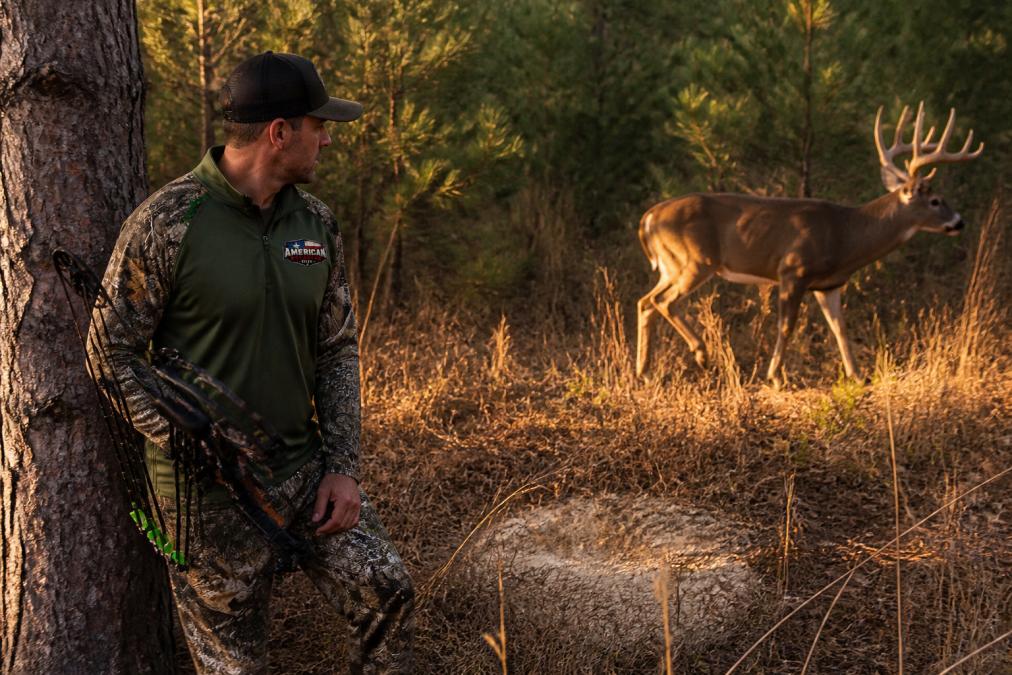
The rut unfolds in three phases:
Pre-rut is when bucks establish scrapes and rubs, expand their range, and check does for receptivity. Stand placement near scrape lines and pinch points between bedding and feeding areas is highly effective.
Peak rut is when bucks are locked on does and can appear anywhere at any time. All-day sits become worth it. Funnels, field edges, and doe bedding areas are the highest-percentage locations.
Post-rut is underestimated. Bucks shift back toward food sources and hunting pressure drops sharply. A mature buck focused on a standing corn field or late-season food plot is catchable.
The rut in northern states typically peaks in early-to-mid November, driven by photoperiod. In southern states, peak rut can run significantly later, sometimes into December or January. According to USDA Forest Service wildlife habitat research, photoperiod remains the primary rut trigger, but local subspecies and habitat conditions create meaningful regional variation. Trail camera data from your own property beats any general calendar.
Seasonal Timing: When to Hunt Early vs. Late Season
Early season and late season require completely different strategies.
Early season is about food. Deer hit soybean fields, soft mast like apples and persimmons, and early acorn drops on a predictable schedule. Evening stands near food sources with strict scent control and a clean entry route work best. The biggest early season mistake is overhunting a stand, one blown hunt in September can make a mature buck nocturnal for weeks.
Late season rewards patience and scouting. After the rut, deer need calories. Hard mast like white oak acorns, standing crops, and food plots with brassicas concentrate deer predictably. Cold snaps increase daytime feeding movement because deer need to maintain body temperature. A dropping barometer followed by a hard cold front is one of the most reliable hunting triggers in the entire season.
Scent control becomes even more critical in late season because the woods are bare and deer rely heavily on their nose. Hunt downwind of where you expect deer to approach, and never cut corners on entry and exit routes.
Whether you're sitting a November funnel during peak rut or grinding a late-season food plot in December, the right gear makes the difference. The APG Hoodie is built for long sits in cold conditions, and the Camo Long Sleeve handles moisture-wicking layering when early season temperatures are unpredictable.


For a broader look at how weather patterns interact with deer movement, the National Weather Service's hunting weather resources offers current barometric pressure data that pairs well with any solunar calendar.
Frequently Asked Questions
What is the golden hour in hunting?
The golden hour refers to the first hour after sunrise and the last hour before sunset. During these windows, whitetail deer and other game are most active because low light gives them a sense of security while they move between bedding areas and feeding areas. Crepuscular movement peaks during these periods, making shooting light critical. Setting up your stand before first light and staying through the full golden hour consistently produces more encounters than arriving late or leaving early.
What is the best month to hunt deer?
October through November is widely considered the best stretch for whitetail hunting. The pre-rut begins in mid-October as bucks increase scraping and scent-marking activity. Peak rut typically hits in early-to-mid November across most of the country, when bucks abandon caution and move heavily during daylight. If you miss the rut, late November through December offers a second-rut window and less hunting pressure. Early season in September can also produce quality bucks on predictable feeding patterns before they go nocturnal.
How do barometric pressure changes affect deer movement?
Deer respond noticeably to dropping barometric pressure ahead of a weather front. As pressure falls, deer tend to feed aggressively before the storm arrives. Once a front passes and pressure rises sharply, movement picks up again as deer recover from reduced activity during the storm. Many hunters treat a rising barometer after a cold front as one of the most reliable triggers for daytime deer movement. Solunar calendars that layer moon phase data on top of barometric trends give you the most complete picture of likely activity windows.
Does moon phase actually influence hunting success?
Moon phase influences deer movement through solunar theory, which holds that major and minor activity periods align with the moon's overhead and underfoot positions. A full moon or new moon during the rut can shift peak movement from dawn and dusk toward midday, since deer feed heavily at night under bright moonlight and rest more during the day. Trail camera data collected by hunters over multiple seasons consistently shows correlation between solunar peaks and daytime deer activity, though weather and hunting pressure remain equally important variables.
Timing your hunts around peak activity windows, moon phases, and seasonal transitions is the foundation of consistent success. American Predator Gear exists for hunters who take the craft seriously, and who want gear that honors that commitment. Browse the latest limited-edition drops, including the Sounder Pounder and Smokin Yotes lines, and gear up for your best season yet. Shop American Predator Gear.
This article was written using GrandRanker