
How to Hunt Raccoons: A Complete Guide
Table of Contents
- How to Hunt Raccoons: Core Tactics
- Raccoon Hunting Without Dogs
- Essential Raccoon Hunting Gear
- Raccoon Hunting Regulations by State
Last Updated: August 27, 2026
How to Hunt Raccoons: Core Tactics
How to hunt raccoons starts with understanding their behavior and habitat. Raccoons are nocturnal predators that thrive in wooded areas near water sources, making them ideal targets for night hunting enthusiasts. Identify prime habitat by looking for dense timber, brush piles, and proximity to streams or marshes. Fresh tracks, droppings, and overturned rocks indicate recent activity. Scout during daylight to map your hunting zone and note escape routes where raccoons travel between feeding and denning areas.
Timing matters significantly. Raccoons are most active during the first few hours after sunset and before dawn (peer-reviewed research). Arrive well before dark to avoid spooking animals, and plan your hunt around dusk when raccoons begin their nightly foraging.
Raccoon Hunting Without Dogs
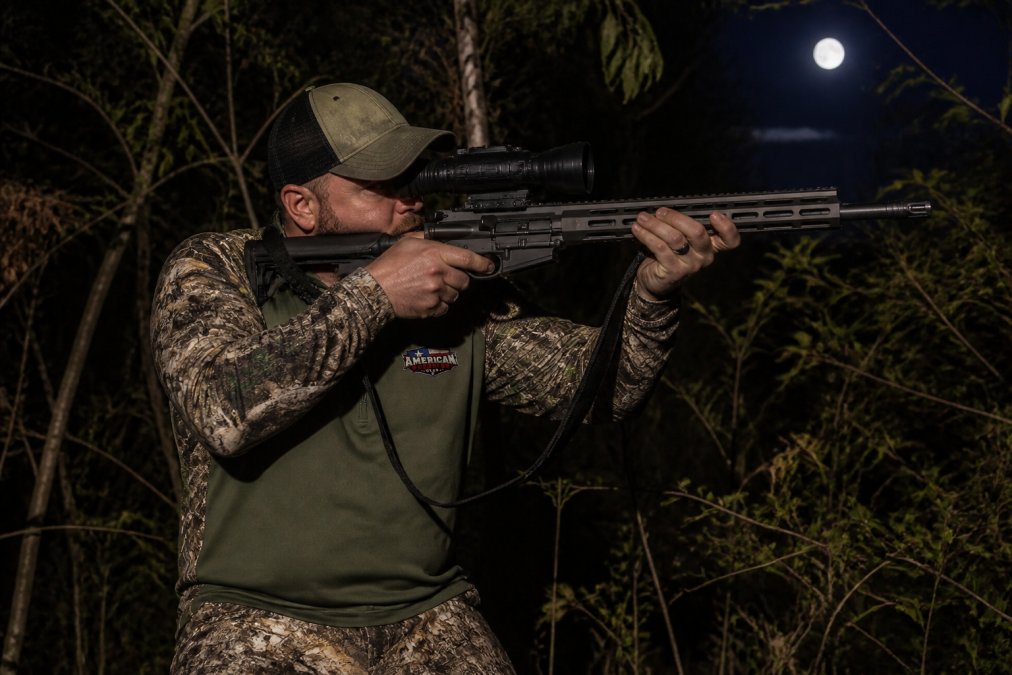
Hunting raccoons without dogs requires spotlighting, calling, and careful stalking to locate and pursue raccoons effectively. This method works particularly well in areas where dogs aren't practical or permitted.
Spotlighting is the primary technique for non-dog hunters. Use a powerful handheld spotlight or headlamp to scan brushy areas and tree lines at night. When you locate a raccoon's eyeshine, move slowly toward the animal and keep your light on it to prevent bolting, then position yourself for an ethical shot. Many hunters combine spotlighting with a .22 rifle for clean, humane harvests.
Calling can also bring raccoons within range. Predator calls that mimic injured prey sounds attract curious raccoons investigating potential food sources. Position yourself downwind of expected approach routes, giving you time to prepare for an encounter.
Essential Raccoon Hunting Gear
Success in raccoon hunting depends on having the right equipment for nighttime pursuit. Your gear selection directly impacts your comfort, safety, and effectiveness in the field.
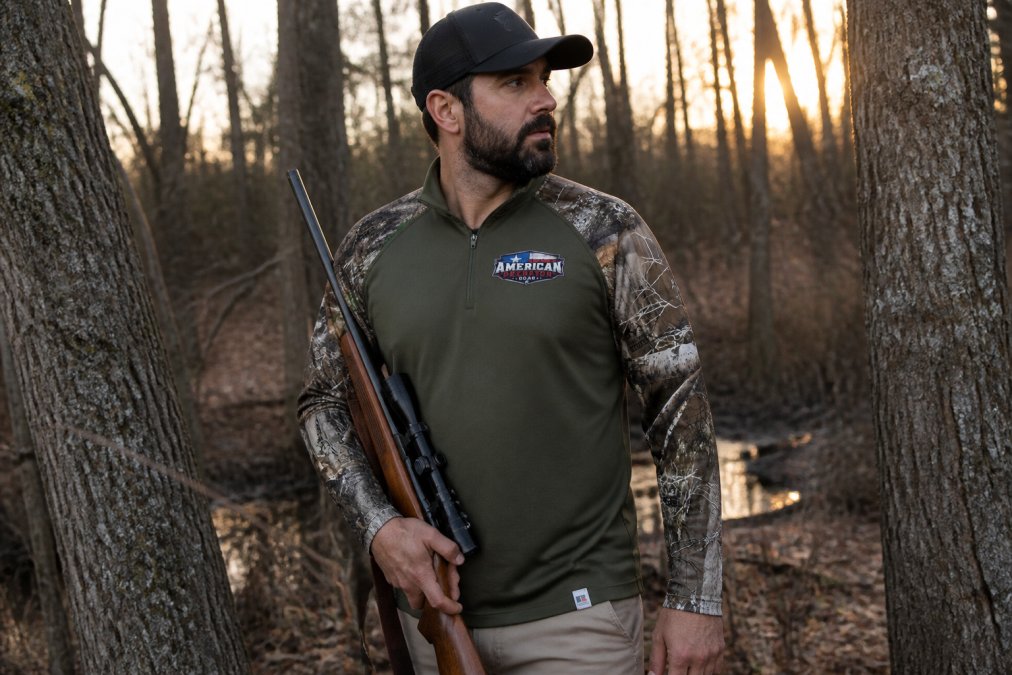
Start with appropriate clothing layers. Moisture-wicking base layers keep you dry during active pursuit, while insulating mid-layers maintain body heat during stationary periods. A quality camo long sleeve shirt provides both concealment and protection from brush and branches. American Predator Gear's Camo Long Sleeve combines performance with the rugged aesthetic that honors the hunting lifestyle.

Lighting equipment is critical for night hunting. A quality headlamp with adjustable brightness lets you navigate terrain while keeping your hands free. Red or green light options reduce spooking wildlife compared to white light (peer-reviewed research). Thermal optics or night vision equipment significantly improves your ability to locate and track raccoons in darkness, though these represent a larger investment.
Additional gear includes a reliable firearm appropriate for raccoon-sized game, quality ammunition, a pack for carrying supplies, and a knife for field dressing. Many hunters also carry a rangefinder and compass for navigation in unfamiliar terrain. Always prioritize firearm safety regardless of hunting method.
Raccoon Hunting Regulations by State
Before pursuing how to hunt raccoons, you must understand your state's specific wildlife regulations. Bag limits, season dates, and legal methods vary significantly by jurisdiction. Check your state's wildlife agency website for current regulations before heading to the field.
Most states establish specific raccoon hunting seasons, typically running from fall through winter months when pelts are prime (fws.gov). Season dates vary widely, some states open in September while others begin in November. Bag limits also differ, ranging from no limit in some areas to specific daily or seasonal caps in others. Night hunting regulations vary considerably; some states permit spotlighting and night hunting year-round during open season, while others restrict these methods or require special permits.
Fur license requirements apply in virtually all states where raccoon hunting occurs. Many states require hunters to possess both a general hunting license and a fur harvester license to legally pursue raccoons. These licenses fund wildlife management and conservation efforts that maintain healthy raccoon populations for future hunting opportunities.
Understanding the fundamentals of how to hunt raccoons transforms your outdoor experience from casual interest to skilled pursuit. The combination of proper scouting, appropriate gear, and regulatory compliance sets the foundation for ethical, successful hunts. When you're ready to represent your passion for the hunting lifestyle, American Predator Gear's exclusive apparel designs celebrate the grit and tradition of hunters like you. Shop our limited-edition collections today and join a community that honors the wild.
Frequently Asked Questions
What time of night do raccoons hunt?
Raccoons are primarily nocturnal and most active from dusk through early morning, typically between 8 PM and 4 AM. They're most concentrated around water sources and food areas during the first few hours after sunset. Peak activity often occurs around midnight. Understanding this nocturnal pattern is essential when planning spotlighting sessions and night hunting expeditions.
Do you need a dog to hunt raccoons?
No. While coon dogs excel at scent trailing and treeing raccoons, solo hunters successfully pursue them using night vision, thermal optics, and calling techniques. Non-dog hunters typically focus on nocturnal scouting, baiting near water sources, and using predator calls. Both methods are legal and effective; your choice depends on equipment, terrain, and personal preference.
What are the legal requirements for hunting raccoons?
Raccoon hunting requires a valid fur license in most states, and seasons vary significantly by region. Many states allow year-round or extended seasons, while others restrict hunting to fall and winter months. Bag limits, firearm types, and spotlighting regulations differ by state. Always check your state's wildlife regulations before the season starts to ensure compliance with current harvest rules and safety protocols.
This article was written using GrandRanker