
When to Hunt Coyotes: Timing & Seasons
Table of Contents
- When to Hunt Coyotes: Seasonal Windows
- Best Time of Day to Hunt Coyotes
- Coyote Breeding Season Dates and Movement Patterns
- Best Caliber for Coyote Hunting
Last Updated: August 23, 2026
When to Hunt Coyotes: Seasonal Windows
The best hunting opportunities fall during specific windows when coyotes are most active and predictable. Winter through early spring represents the prime season for most hunters, with November through March offering consistent success across most regions.
Coyote activity peaks during their breeding season, which typically runs from December through March (peer-reviewed research). During these months, coyotes are more vocal, more visible, and respond aggressively to predator calls. They're searching for mates and defending territory, making them less cautious than during other times of year. Late fall, starting in November, marks the beginning of peak hunting season when young coyotes dispersing from family groups are vulnerable to calls, and food scarcity drives them to investigate potential prey.
Spring hunting, particularly March and April, remains productive but requires adjusting your approach as coyotes become warier with increasing daylight. Summer hunting is generally less productive, coyotes are nocturnal during hot months, remaining inactive during daylight hours, and abundant food reduces their response to calls.
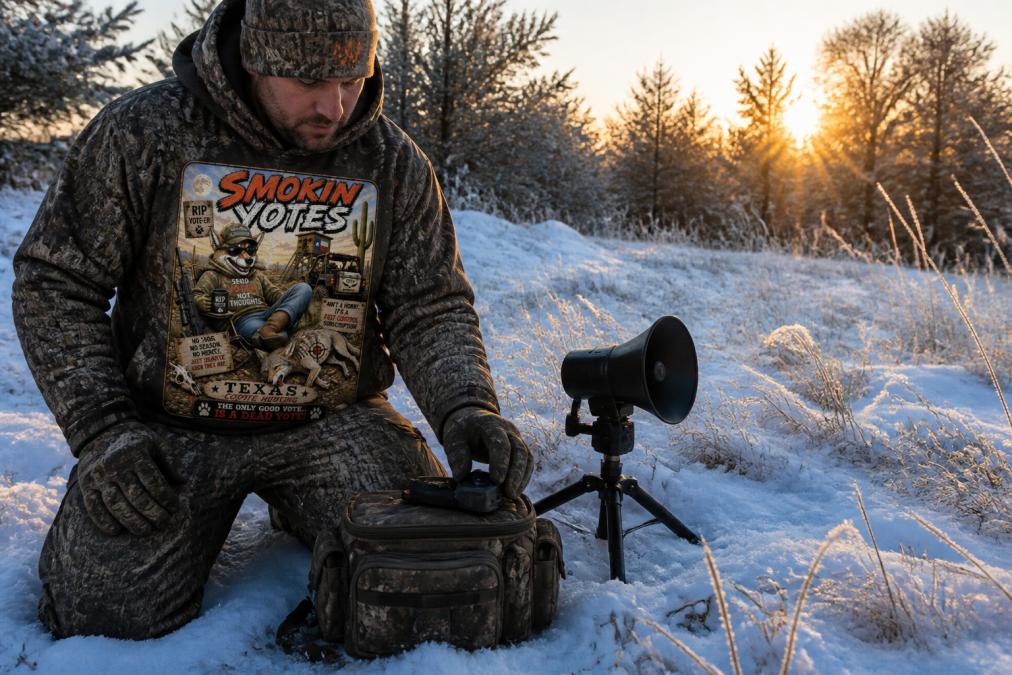
Best Time of Day to Hunt Coyotes
The best time of day to hunt coyotes is during dawn and dusk, when coyotes are naturally most active. These transitional periods, roughly one hour before sunrise through two hours after, and one hour before sunset through two hours after, offer the highest probability of encounters and successful calls (peer-reviewed research).
Dawn hunting is particularly effective because coyotes have been hunting all night and are returning to bedding areas, making them responsive to distressed prey calls. Dusk hunting capitalizes on coyotes leaving bedding areas to hunt, with thermal optics and night vision extending your effective window into darkness.
Midday hunting is significantly less productive, though winter food scarcity or heavily forested areas can produce results. Night hunting using thermal or night vision optics has become increasingly popular and effective, allowing you to hunt when coyotes do most of their hunting.
Coyote Breeding Season Dates and Movement Patterns
Coyote breeding season runs from December through March, with peak activity in January and February. During this period, coyotes abandon their typical caution, males respond violently to rival coyote vocalizations and predator calls, and territorial aggression peaks, making this the easiest time to call in coyotes.
Post-breeding season, from April through June, shows a secondary activity spike as pairs establish den sites and prepare for pups. Summer through fall, coyotes shift focus to raising pups and preparing for winter, with young coyotes dispersing in late summer and early fall, creating opportunities for hunters targeting inexperienced animals.
Regional variations significantly impact these timelines. Northern populations show tighter breeding windows, while southern coyotes may breed slightly earlier. Elevation also affects timing, with high-altitude populations breeding later than low-elevation groups. Research your specific region to refine these general windows.
Best Caliber for Coyote Hunting
The best caliber for coyote hunting balances effective range, accuracy, and minimal pelt damage. The .22-250 Remington stands as the gold standard, offering flat trajectory, minimal recoil, and excellent accuracy at extended ranges from 100 to 300 yards with proper shot placement (peer-reviewed research).
The .223 Remington serves as a practical alternative, especially for hunters who already own AR-platform rifles. Larger calibers like the .243 Winchester and 6mm Creedmoor work well for coyotes but create unnecessary pelt damage. Shotguns with buckshot or slugs can work for close-range hunting under 50 yards, though most dedicated coyote hunters prefer rifles for their extended range and accuracy.
Shot placement matters more than caliber selection. A well-placed shot with a smaller cartridge outperforms a poorly placed shot with a larger one. Practice extensively before hunting season to ensure consistent accuracy at your intended hunting distance.
The hunting lifestyle demands gear that matches your commitment to the field. When you're spending long hours in winter conditions calling coyotes, your apparel needs to perform as hard as you do. American Predator Gear designs clothing for hunters who understand that quality matters, our signature collections like Smokin Yotes celebrate the predator hunting lifestyle with designs created by hunters, for hunters. For a great way to show your passion, check out the Yotes in Texas t-shirt for $28.99 at americanpredatorgear.com. Whether you're glassing terrain at dawn or setting up for an evening hunt, wearing gear that honors the hunting tradition keeps you connected to the community and the land. Explore our exclusive monthly designs and limited-edition releases at American Predator Gear, and represent the grit and patriotic spirit that defines the hunting lifestyle.

Frequently Asked Questions
Q: What time of day are coyotes most active?
A: Coyotes are most active during dawn and dusk, roughly one hour before sunrise through two hours after, and again in the evening from two hours before sunset through full darkness. They're nocturnal hunters but move predictably at these transition times. Winter months intensify this pattern as food scarcity drives them to hunt during daylight hours. Your calling sequences will be most effective during these windows when coyote vocalizations and movement spike.
Q: How does the coyote breeding season affect hunting success?
A: Coyote breeding season runs January through March, when territorial males respond aggressively to predator calling and decoy placement. During this window, coyotes are more vocal and less cautious about investigating calls, making them easier to locate and set up on. Post-breeding season (April onward), coyotes become more nocturnal and cautious as they focus on denning and pup-rearing. Breeding season offers the highest success rates for predator hunting with calling techniques.
Q: Is night hunting legal for coyotes?
A: Night hunting regulations vary by state and season. Most states allow night hunting for coyotes using thermal optics or night vision during specific seasons, often with restrictions on calling methods or hunting pressure zones. Check your state wildlife regulations before using thermal equipment or hunting after dark. Some states prohibit night hunting entirely, while others require special permits. Always verify current hunting season dates and local predator management rules before your hunt.
This article was written using GrandRanker