

Table of Contents
- Kansas Hunting: The Lifestyle and the Reality
- Hunting Seasons and Dates in Kansas
- License and Permit Requirements
- Kansas Deer Hunting Regulations and Big Game Species
- Public Land Access and Walk-In Areas
- Hunting Gear Essentials for Success
- Bag Limits, Harvest Reporting, and Conservation
- Conclusion: Your Kansas Hunting Journey Starts Here
- Frequently Asked Questions
Last Updated: August 31, 2026
Kansas Hunting: The Lifestyle and the Reality
Kansas hunting is a way of life for those who understand the mixed emotions of standing in a blind before dawn, the weight of a rifle in your hands, and the reality of what it means to be truly in the field. Those who hunt know the struggles, the early mornings when your fingers are numb, the days when nothing moves, the moments of pure adrenaline when everything comes together. This is what separates those who do it from those who just talk about it.

At American Predator Gear, we celebrate hunters who live this lifestyle every day. We understand that hunting is about showing up, staying committed, and wearing your passion with pride. We've built a community around exclusive designs created by hunters, for hunters, with limited-edition releases that honor the traditions and grit of the hunting lifestyle.
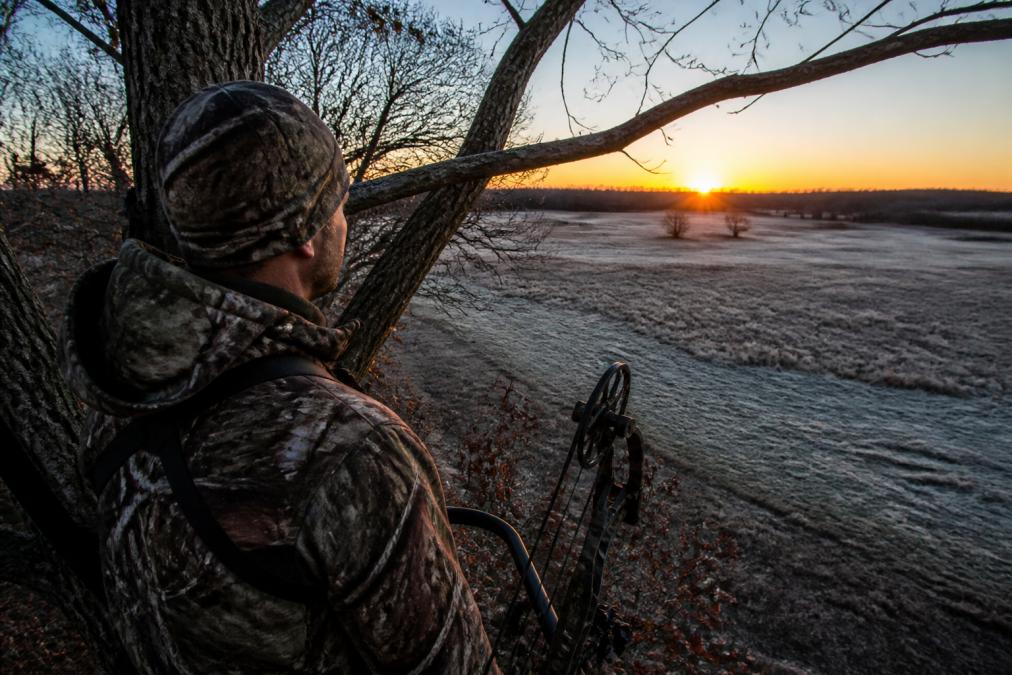
Before heading into the field, understand what Kansas hunting requires. The seasons, regulations, licenses, and land access rules aren't bureaucratic hurdles, they're the framework that protects the hunting you love and ensures game for generations to come. This guide walks you through everything you need to know to hunt Kansas legally, ethically, and successfully.
Hunting Seasons and Dates in Kansas
Kansas hunting seasons align with game migration and breeding cycles. Understanding when each season opens and closes is essential for planning any successful hunt.
Deer seasons typically run from September through early January, with separate windows for archery, firearms, and muzzleloader seasons. Archery season opens in early September, giving bowhunters extended opportunity before firearms season. The firearms season for whitetail deer concentrates in November and early December when the rut is in full swing and bucks move during daylight. Muzzleloader seasons often follow, extending your opportunity.
Upland game seasons for pheasant, quail, and other birds typically run from mid-October through early January, aligning with migration patterns and cooler weather. Waterfowl seasons vary by zone but generally run from mid-September through early January.
Turkey seasons include both spring and fall hunts. Spring season is brief, running a few weeks in April and May when gobblers are responsive to calls. Fall season extends longer, typically from September through November.
Antelope hunting in Kansas is limited and highly competitive, with seasons typically in October. Elk hunting opportunities are more limited and often require special draws.
Always check the current Kansas hunting season calendar before making plans, as exact dates shift year to year.
License and Permit Requirements
You cannot legally hunt in Kansas without proper licenses and permits. The state's licensing system funds wildlife management and conservation efforts that keep hunting viable.
Kansas hunting licenses are required for all hunters, with limited exceptions for youth and apprentice programs. Resident licenses require 12 months of Kansas residency. Nonresident licenses cost significantly more. Some hunters qualify for discounted licenses based on age, disability status, or military service.
Specific game requires additional stamps or permits. A deer tag is required for each deer harvested, issued through draw systems or over-the-counter sales depending on area and season. A conservation stamp is required for all hunters and funds habitat management. Turkey hunting requires a separate turkey license, as does waterfowl hunting.
Nonresident hunters should plan ahead, as some permits fill quickly during peak seasons. Application deadlines for draw-based permits occur months before the season.
Youth hunters under 16 may qualify for apprentice or junior licenses with reduced requirements or costs.
| License Type | Typical Requirement | Best For |
|---|---|---|
| Resident Hunting License | 12+ months in Kansas | Full-season hunting |
| Nonresident Hunting License | Out-of-state residency | Visiting hunters |
| Deer Tag | One per deer harvested | Deer hunting |
| Conservation Stamp | All hunters | Wildlife funding |
| Turkey Permit | Turkey hunting only | Spring/fall turkey |
| Apprentice License | Ages 16-17 or first-time hunters | Youth and new hunters |
Kansas Deer Hunting Regulations and Big Game Species
Whitetail deer are the primary big game species in Kansas. Understanding regulations around whitetail deer hunting and other species like mule deer is essential for legal and ethical hunting.
Whitetail deer dominate Kansas hunting, surviving in agricultural areas, woodlots, and river bottoms across the state. Regulations specify antler restrictions in certain areas, some zones require a minimum number of points on one antler, while others allow antlerless deer. These regulations maintain healthy populations and sex ratios.
Bag limits vary by hunting method and area. Archery season typically allows multiple deer, while firearms season may be limited to one or two depending on the zone. Muzzleloader seasons often allow one deer. Understanding your specific hunting zone's regulations is critical.
Mule deer are present in western Kansas but far less common than whitetails. They prefer open, arid terrain and are typically found in the panhandle and western regions.
Harvest reporting is mandatory in Kansas. After harvesting any deer, report it within specified timeframes, usually by phone or online. This data helps wildlife managers track population health and adjust future regulations.
Antler restrictions exist in many Kansas hunting zones to protect young bucks and maintain balanced population structure. Common restrictions include minimum point requirements. Some areas allow antlerless hunting to control population growth.
Download the current Kansas hunting guide or check the official website before heading to the field.
Public Land Access and Walk-In Areas
Kansas offers significant opportunities to hunt public land, critical for hunters without property or limited private land access.
Walk-in hunting areas are managed specifically to provide public access to hunting opportunities. These areas often have specific rules about how many hunters can access them at once, so arriving early is important during peak seasons.
Wildlife refuges in Kansas provide hunting opportunities on federal and state-managed lands. These refuges protect habitat for migratory birds and other game species while allowing regulated hunting. Access rules vary by refuge, and some areas close to hunting during certain periods to protect nesting and migration corridors.
Public hunting areas managed by the Kansas Department of Wildlife and Parks include larger tracts where you can hunt with a valid license. These areas are often less crowded than walk-in areas and may offer more solitude.
Private land access remains the most reliable way to hunt in Kansas, but for those without property, public land is essential. Building relationships with landowners, joining hunting clubs, or using outfitter services are common ways to gain access.
Scout public areas during the offseason to understand terrain, game sign, and access points. Knowing the layout before opening day gives you a significant advantage.
Hunting Gear Essentials for Success
The right gear makes the difference between a successful hunt and a frustrating day in the field. Kansas hunting demands specific equipment depending on your method and season.
Firearms and ammunition are foundational. A rifle suitable for deer hunting (typically .270 Winchester or .308 Winchester) is standard. Muzzleloaders require specific ammunition and loading components. Shotguns with slugs work for certain areas. Ensure your firearm is sighted in and you've practiced before the season.
Camouflage clothing is essential for hunting whitetail deer and other game that rely on vision to detect threats. Realtree or Mossy Oak patterns are standard choices. Layering is critical in Kansas, where temperatures swing dramatically between early and late season. Base layers that wick moisture, insulating mid-layers, and a quiet outer shell keep you comfortable and stealthy.
American Predator Gear's Camo Long Sleeve is designed for hunters who understand that comfort and concealment go hand-in-hand. Built with moisture-wicking performance fabric and Realtree EDGE camouflage, it performs in the field.

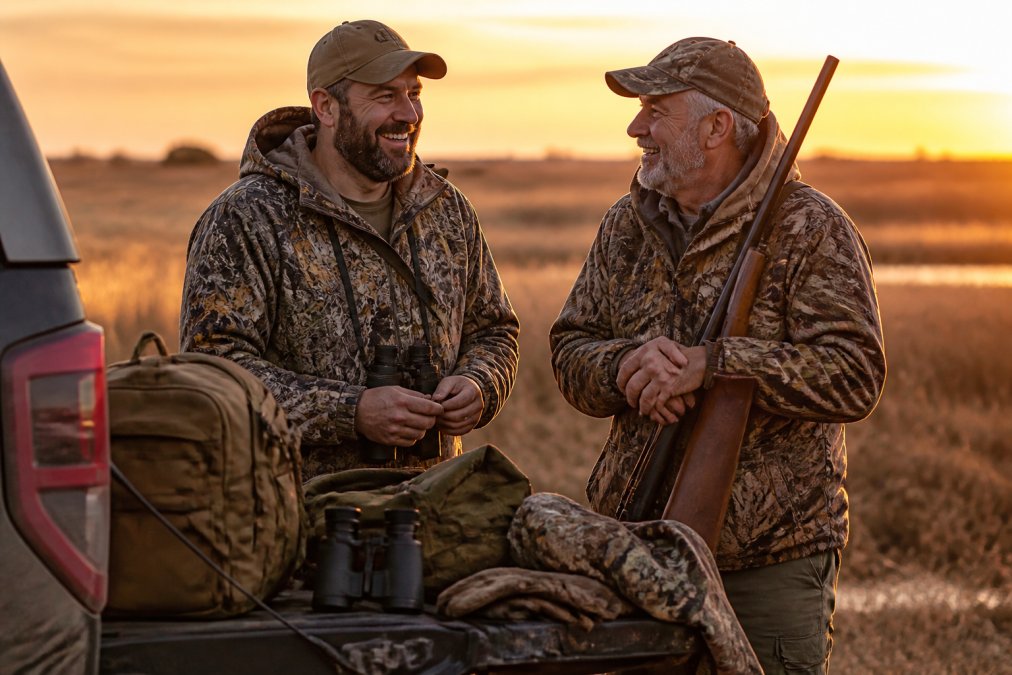
Boots are one of the most important investments you'll make. Waterproof, insulated boots keep your feet dry and warm during long sits in blinds or stands. Break in new boots before the season.
Optics like binoculars and rangefinders help you spot game and judge distance accurately. A good rangefinder removes guesswork from distance estimation, critical for ethical shots.
Tree stands and blinds provide elevated or concealed positions that give you an advantage over game. Hang stands early in the season and allow trees to heal any wounds.
Calls and decoys can be effective, especially for turkey and waterfowl hunting. Deer calls require skill to use effectively.
Wear clothing that honors the hunting lifestyle while performing in the field. American Predator Gear's APG Hoodie combines comfort and patriotic design, celebrating hunters who live this lifestyle every day.
Bag Limits, Harvest Reporting, and Conservation
Understanding bag limits and harvest reporting is about respecting the resource and ensuring hunting remains viable for future generations.
Bag limits specify how many of each species you can harvest during a season. For whitetail deer, limits typically range from one to three depending on the zone and hunting method. Turkey limits are usually one bird per season in spring and a few in fall. Upland game like pheasant and quail have daily and seasonal limits. Waterfowl limits are set federally and vary by species.
Exceeding bag limits is a serious violation. Limits exist to prevent overharvesting and maintain healthy populations.
Harvest reporting is mandatory in Kansas and takes minutes to complete. Report your harvest online or by phone within the specified timeframe. This data is invaluable to wildlife managers tracking population trends.
Conservation efforts funded by hunting licenses and stamps protect habitat, manage wildlife populations, and maintain hunting opportunities you depend on.
Ethical hunting means taking only clean, lethal shots. Practice at the range before the season. Know your weapon's limitations and your own as a marksman. A wounded animal that escapes is a failure of ethics.
Show your commitment to the hunting lifestyle by respecting the rules that protect it. Wear gear from American Predator Gear that celebrates hunters who do things right.
Conclusion: Your Kansas Hunting Journey Starts Here
Kansas hunting demands preparation, respect for regulations, and genuine commitment to the lifestyle. You now understand the seasons, licensing requirements, regulations, and gear you need to hunt successfully and legally.
The mixed emotions you feel standing in that tree stand before dawn, the anticipation, the focus, the connection to something larger than yourself, that's what hunting is about. American Predator Gear celebrates hunters who live this reality every day. Our exclusive designs, created by hunters for hunters, honor the traditions, grit, and patriotic spirit of the outdoor lifestyle.
Shop American Predator Gear and wear clothing that represents your passion for the wild. Every piece celebrates the hunter you are and the lifestyle you've chosen.
Frequently Asked Questions
Can non-residents hunt deer in Kansas?
Yes, non-residents can hunt deer in Kansas. You'll need to purchase a non-resident tag and obtain the proper hunting license. Non-resident deer tags are available through the Kansas Parks and Wildlife draw system. The process requires applying during the designated period, and tags are awarded by draw for most big game species. Non-residents should plan ahead and apply early, as popular seasons fill quickly. Check current season dates and application deadlines on the official Kansas Parks and Wildlife website.
What are the main Kansas deer hunting regulations I need to know?
Kansas deer hunting regulations include specific season dates for firearms season, archery season, and muzzleloader season. Bag limits vary by hunting unit and season type. Whitetail deer are the primary species, with mule deer available in western regions. You must wear hunter orange during firearms season, and all harvested deer must be reported to the Kansas Parks and Wildlife. Regulations change annually, so verify current rules before your hunt. Private land access requires permission from the landowner.
What game species can I hunt in Kansas?
Kansas offers hunting for whitetail deer, mule deer, elk, antelope, turkey, pheasant, quail, waterfowl, and upland game birds. Seasons and regulations vary by species and region. Whitetail deer are the most popular big game species statewide. Elk and antelope are available in limited units in western Kansas through the draw system. Migratory birds like waterfowl and pheasant have specific seasons. Each species has its own bag limits and harvest reporting requirements. Check the Kansas Parks and Wildlife website for detailed information on all available species.
Where can I hunt on public land in Kansas?
Kansas offers walk-in hunting areas and public wildlife areas managed by Kansas Parks and Wildlife. The Walk-In Hunting Area program provides access to thousands of acres on private land. Wildlife management units are designated throughout the state for public hunting. Check the Kansas Parks and Wildlife website for maps and current access information. Many public areas require a conservation stamp in addition to your hunting license. Always verify current access rules and any special restrictions before heading out.
Hunting in Kansas is more than a season, it's a commitment to understanding the land, respecting the game, and showing up prepared. The regulations exist to protect what you love. The gear exists to make you successful. The community exists to remind you that you're not alone in this pursuit. Get started with the right mindset, the right preparation, and gear from American Predator Gear that honors who you are.
This article was written using GrandRanker