

Table of Contents
- Why Georgia Hunting Is a Way of Life
- 2026 Georgia Hunting Seasons and Game Species
- Georgia Hunting Regulations: Licenses, Bags, and Rules
- Public Land Hunting Georgia: Where to Go and How to Prepare
- Essential Gear and Field Care for Georgia Hunters
- Gear That Tells Your Story: Hunting Lifestyle Apparel
- The Hunter's Code: Ethics and Conservation
- Conclusion: Answer the Call of the Georgia Woods
- Frequently Asked Questions
Last Updated: September 9, 2026
Why Georgia Hunting Is a Way of Life
Georgia hunting is more than a seasonal pastime; it is a lifestyle rooted in tradition, patience, and the raw bond between a person and the land. The hunt carries a mix of anticipation, frustration, and pure joy that defines who we are. At American Predator Gear, we build apparel that tells the stories and tag lines we share around the campfire.
Most people outside the sport see only the harvest, but they miss the quiet hours watching a white-tailed deer move through hardwoods or the gobble of a wild turkey echoing at dawn. Below, we’ll walk you through the 2026 seasons, the regulations that keep our wildlife resources strong, and the gear that makes every trip count.
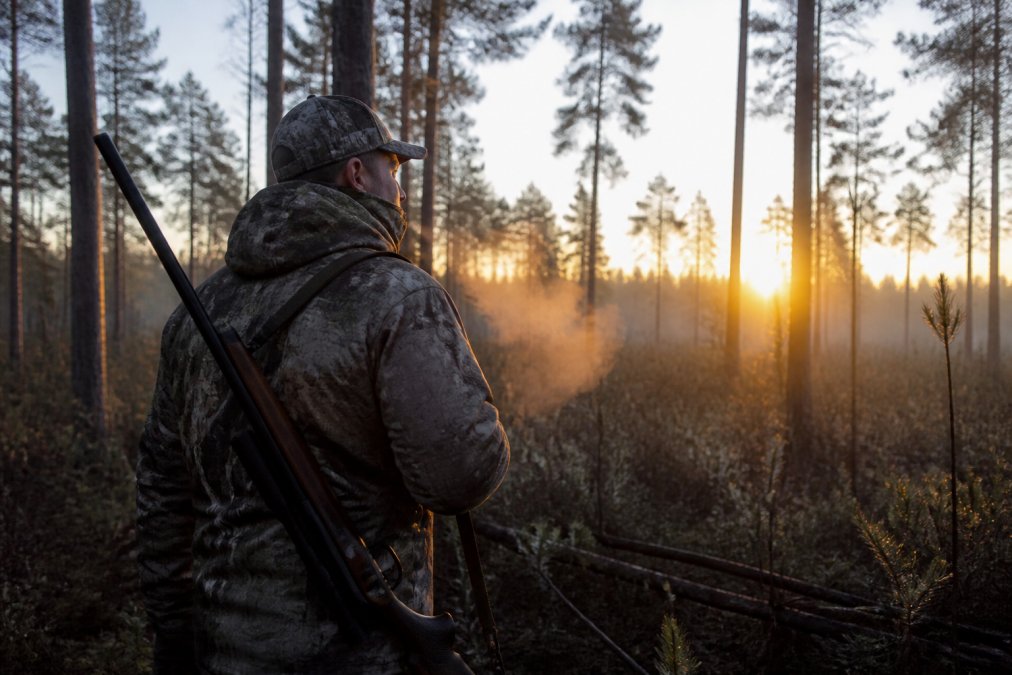
2026 Georgia Hunting Seasons and Game Species
The 2026 calendar offers a full year of opportunity across a diverse range of game species. Season dates shift slightly each year, so checking the official state resources before you head out is non-negotiable. The state is divided into specific zones, and dates can vary significantly between them, so knowing your zone is the first step.
Here is the breakdown of the major seasons for the 2026-2027 cycle, based on the standard framework used by the state wildlife agency:
White-Tailed Deer
- Archery (North Zone): Mid-September through early January. This is the longest season and rewards patience and precision.
- Archery (South Zone): Late September through mid-January. The southern zone's milder climate often means different food source patterns.
- Primitive Weapons (Muzzleloader): Typically runs for about two weeks in October in the North Zone and a similar window in the South Zone. This season requires a dedicated muzzleloader or primitive firearm.
- Firearms (North Zone): Late October through early January. This is the most popular window, seeing the highest hunter participation.
- Firearms (South Zone): Late October through mid-January, often with a brief break in the middle to protect breeding populations.
- Urban Archery: Many metropolitan counties offer extended archery seasons to manage deer populations in areas where firearms are restricted. Check local ordinances for specific dates.
Wild Turkey
- Spring Season (Statewide): Generally runs from late March through mid-May. The exact opening day varies by county, so verifying your specific location is critical. This is the premier season for turkey hunting, focusing on the breeding period.
- Fall Season: A limited fall season exists in specific counties and is often either-sex, providing a different challenge than the spring gobbler hunt. It typically runs for a few weeks in late October and November.
Small Game and Furbearers
- Squirrel: A long season that typically opens in late August and runs through the end of February, offering excellent opportunities for new hunters.
- Rabbit: Usually opens in late November and runs through the end of February.
- Quail: The season generally runs from late November through the end of February, with the best populations found on managed properties.
- Raccoon and Opossum: Night hunting seasons typically open in late November and run through the end of February.
Feral Hogs
- Year-Round on Private Land: No closed season, making them a great target for filling the calendar.
- WMAs and National Forests: Seasons often align with deer seasons, but some areas have specific hog-only seasons or allow hunting during any deer season with the appropriate license. Always check the specific WMA rules.
Because these dates vary by zone, county, and wildlife management area, a quick review of the current Georgia DNR hunting seasons and dates publication is the smartest first step. Mark your calendar, plan your vacation days, and respect the seasons that keep our populations healthy. A mistake in the calendar can cost you more than just a day in the woods; it can cost you your license and your gear.
Georgia Hunting Regulations: Licenses, Bags, and Rules
Georgia hunting regulations exist to protect wildlife habitat and ensure future generations enjoy the same opportunities. Every hunter must carry the proper license and follow specific bag limits, which are set based on population data and conservation goals.
Before you buy a license, you will need a hunter education certification if you were born on or after a certain date. The course covers safety, ethics, and species identification, and it is a prerequisite for most first-time hunters. The Georgia DNR license and hunter education requirements page lays out the fees, the certification steps, and the harvest record you must complete for certain species.
Key rules to remember:
- Bag limits vary by species, season, and county, so verify your specific zone
- Antler restrictions apply in some areas, protecting younger bucks
- Legal hunting hours typically run from sunrise to sunset, though some species have specific windows
- A harvest record is required for deer and turkey, and it must be filled out immediately
Understanding these rules is part of the hunter's code. Breaking them, even accidentally, can result in fines and damages the reputation of ethical hunters.
Public Land Hunting Georgia: Where to Go and How to Prepare
Public land hunting Georgia offers some of the most rewarding experiences for those willing to put in the legwork, with over 1.6 million acres of public hunting land spread across the state. The challenge isn't finding a WMA; it's finding the right one for your style and then beating the pressure. Here’s a region-by-region look at where to start.
North Georgia Mountains (Blue Ridge Region)
- Focus: National Forest land, steep terrain, and high deer densities in the hardwoods. This is big-woods hunting.
- Top Picks: The Chattahoochee National Forest offers vast acreage, but it's a challenge to hunt. Look at the Cohutta Wildlife Management Area, the state's largest, for remote wilderness experiences. The Blue Ridge WMA is another solid choice for those seeking solitude.
- The Strategy: Focus on elevation changes and food sources like acorns. Hunt the transition lines between thick cover and open hardwoods. Because the terrain is steep, most hunters stay low; hiking up to the ridges can get you away from the crowd.
- Terrain Tip: You will need good boots and a game cart with wide wheels. The hills are unforgiving, and packing out a deer on your back can be a significant workout.
Piedmont Region (Central Georgia)
- Focus: A mix of rolling hills, planted pines, and river bottoms. This area offers a good balance of deer and turkey opportunities.
- Top Picks: The Ocmulgee River WMA is a classic destination, known for good deer numbers and accessible roads. The Rum Creek WMA is another strong option with a mix of hardwoods and pines. For a more remote feel, try the B.F. Grant WMA, which often requires a special permit but has a reputation for quality bucks.
- The Strategy: These WMAs often have more open timber and food plots. Focus on the edges where pines meet hardwoods. Scouting for scrapes and rubs along these transition lines is key.
- Terrain Tip: The terrain is more forgiving, but the undergrowth can be thick. A lightweight, quiet approach is more important than heavy gear.
Coastal Plain Region (South Georgia)
- Focus: Flat terrain, extensive pine plantations, and swampy bottoms. This area is known for high deer numbers and a longer season.
- Top Picks: The River Creek WMA is a massive area with a mix of habitats. The Chickasawhatchee WMA is another large tract known for its swamp hunting. For a more family-friendly option, look into the Mayhaw WMA, which often has managed hunts.
- The Strategy: In the flatwoods, water is the key. Deer will funnel between dry ridges and swamp edges. Focus on oak flats and areas with standing water nearby. Because the terrain is flat, sound travels, so a slow, methodical still-hunt is often more effective than sitting in a stand.
- Terrain Tip: Bug protection is non-negotiable. The humidity and standing water mean mosquitoes and gnats will find you. A Thermacell and permethrin-treated clothing are essential.
Preparation is Non-Negotiable
The challenge with public land is pressure. Other hunters know these spots too, so scouting is essential. Walk the area weeks ahead, look for sign like rubs and scrapes, and identify where the deer are bedding versus feeding. Use online mapping tools to find pinch points and remote corners that others might overlook.
Preparation extends beyond scouting. You need a plan for field dressing your harvest on site and packing it out, since vehicles are restricted to designated roads on many WMAs. Carry a game cart, rope, and a sharp knife kit. Also, confirm whether your chosen WMA requires a special permit like the HIP or SIP permit for migratory birds, as these are separate from your base license. Checking the Georgia WMA public land access rules before you go saves a long, disappointing drive. A little pre-season homework can make a significant difference in your hunting experience.
Essential Gear and Field Care for Georgia Hunters
The right gear separates a good hunt from a miserable one, and Georgia's warm climate demands layers that breathe without adding bulk or noise. Wearing heavy northern gear can lead to discomfort in Georgia's climate. Focus on moisture-wicking base layers and a lightweight outer shell that handles the humidity.
For bowhunters, the challenge is finding cold-weather layers that do not restrict your draw. Bulky jackets can create noise and limit movement, potentially impacting a shot when a buck finally steps out. Look for slim-fitting, quiet fabrics that move with you, not against you.
Field care is just as important as the hunt itself. The moment you harvest an animal, the clock starts on meat quality. Field dressing should happen quickly, and the carcass needs to cool properly to prevent spoilage. Carry a reliable knife, disposable gloves, and game bags to protect the meat from dirt and insects.
| Gear Item | Primary Purpose | Field Tip |
|---|---|---|
| Lightweight camo shirt | Scent control and comfort | Choose moisture-wicking fabric |
| Sharp knife kit | Field dressing | Pack a backup blade |
| Game bags | Meat protection | Use breathable cotton bags |
| Game cart | Pack-out logistics | Essential on long WMA walks |
Gear That Tells Your Story: Hunting Lifestyle Apparel
Hunting is a lifestyle, and the apparel you wear outside the woods should reflect the pride and humor of the outdoor community. Whether it is a shirt that jokes about the one that got away or a design that honors the flag and our first responders, your clothing is a statement of who you are.
American Predator Gear designs apparel by hunters, for hunters, capturing the grit and laughter of the field. Our collections include the Camo Long Sleeve, a performance quarter-zip built for active hunts, and tees like the Hunting License that celebrate the moment you are officially in the game. For the hog hunters, the Deer Feeder and Road Hunt designs speak directly to the stories we all live.


Each month, we release exclusive new designs for a limited time, so your gear stays as unique as your hunting stories. These are not generic camo prints with different names; they are specific callouts to the species and moments that define our passion. Wearing them is a way to identify with fellow sportsmen and show the world that you support the outdoor lifestyle, every single time.
The Hunter's Code: Ethics and Conservation
Ethical hunting is the foundation of conservation, and every hunter carries the responsibility to respect the game, the land, and the laws that protect them. The hunter's code goes beyond legal compliance; it is about fair chase, taking clean shots, and never wasting the animal you harvest.
Conservation is funded largely by hunters through license fees and excise taxes on gear. This money supports wildlife management, habitat restoration, and public land access that benefits everyone, not just those who hunt. When you buy a license and follow the bag limits, you are directly contributing to the health of white-tailed deer, wild turkey, and countless other species.
A key part of the code is knowing your target and what lies beyond it. Mistaking a legal buck for a protected one, or taking a shot at an unsafe angle, is a failure of judgment that hurts the herd and the hunter. If the shot is not right, waiting is often the best course of action. The woods often offer another chance, and an ethical harvest is highly valued.
Conclusion: Answer the Call of the Georgia Woods
Georgia hunting challenges you physically, tests your patience, and rewards you with memories that last a lifetime. The seasons, regulations, and gear all matter, but the heart of it is the time spent in the field, living the lifestyle that defines so many of us. Be happy it is you and the great outdoors.
At American Predator Gear, we celebrate that tradition with apparel that honors the humor, the grit, and the patriotic spirit of the hunt. Our exclusive monthly designs, like the Camo Long Sleeve performance shirt and the limited-edition tees that speak to your specific hunting style, are built for those who live this life. Get started with American Predator Gear and wear your story with pride, whether you are in the stand, at the camp, or back in town.
Frequently Asked Questions
Is there good hunting in Georgia?
Yes, Georgia offers exceptional hunting opportunities. The state boasts robust populations of white-tailed deer and wild turkey, along with a variety of other game species like feral hogs and small game. With over 1.7 million acres of public land hunting Georgia options and a long season that runs from early fall to late winter, it consistently ranks as a top destination for hunters in the Southeast.
What is the schedule for Georgia deer season in 2026?
The 2026-2027 season dates are typically set by the Georgia Department of Natural Resources (DNR) in early spring. Generally, archery season opens in mid-September, followed by primitive weapons in October, and firearms season in late October, running into early January. It's crucial to check the official DNR regulations for exact dates, as they can vary by county and wildlife management area.
Do I need a hunter education certificate to get a Georgia hunting license?
Yes, anyone born on or after January 1, 1961, must successfully complete a hunter education course approved by the Georgia DNR before purchasing a hunting license. The course covers critical safety, ethics, and wildlife conservation topics. The course covers critical safety, ethics, and wildlife conservation topics.
What are the specific regulations for deer hunting in Georgia?
Georgia hunting regulations for deer include specific season dates for archery, primitive weapons, and firearms, as well as legal hunting hours from sunrise to sunset. Bag limits are typically up to 12 deer per season, with restrictions on antlered bucks. Hunters must also obtain a harvest record and report their harvest through the Game Check system. Always consult the current DNR guide for county-specific rules.