

Table of Contents
- What You Need to Know About Hog Hunting
- Wild Hog Hunting Tactics That Work in the Field
- Best Caliber for Hog Hunting and Shot Placement
- Hog Hunting Regulations by State and License Requirements
- Essential Hog Hunting Gear and Apparel
- Field Dressing and Meat Handling After the Hunt
- Conclusion: Embrace the Hog Hunting Lifestyle
- Frequently Asked Questions
Last Updated: September 1, 2026
What You Need to Know About Hog Hunting
Hog hunting has evolved from regional pest control into one of the most dynamic and challenging hunting experiences available. Whether dealing with invasive feral swine destroying agricultural land or pursuing trophy boar across private acreage, hog hunting demands respect, preparation, and genuine understanding of your quarry. These animals are intelligent, aggressive when cornered, and far more dangerous than most hunters anticipate.
Feral swine populations have exploded across the country, creating both opportunity and necessity. They're destructive to ecosystems, agricultural operations, and native wildlife. At the same time, they're formidable opponents that test your skills, gear, and nerve in ways few other hunts can match.
This guide covers everything you need to master hog hunting, from understanding animal behavior and choosing tactics to selecting proper gear, understanding regulations, and handling your harvest responsibly.
Wild Hog Hunting Tactics That Work in the Field
The most effective hog hunters don't rely on a single approach. They read terrain, understand hog behavior, and adapt accordingly. Success comes from knowing when to move, when to wait, and how to position yourself for the decisive shot.
Spot and Stalk Strategies
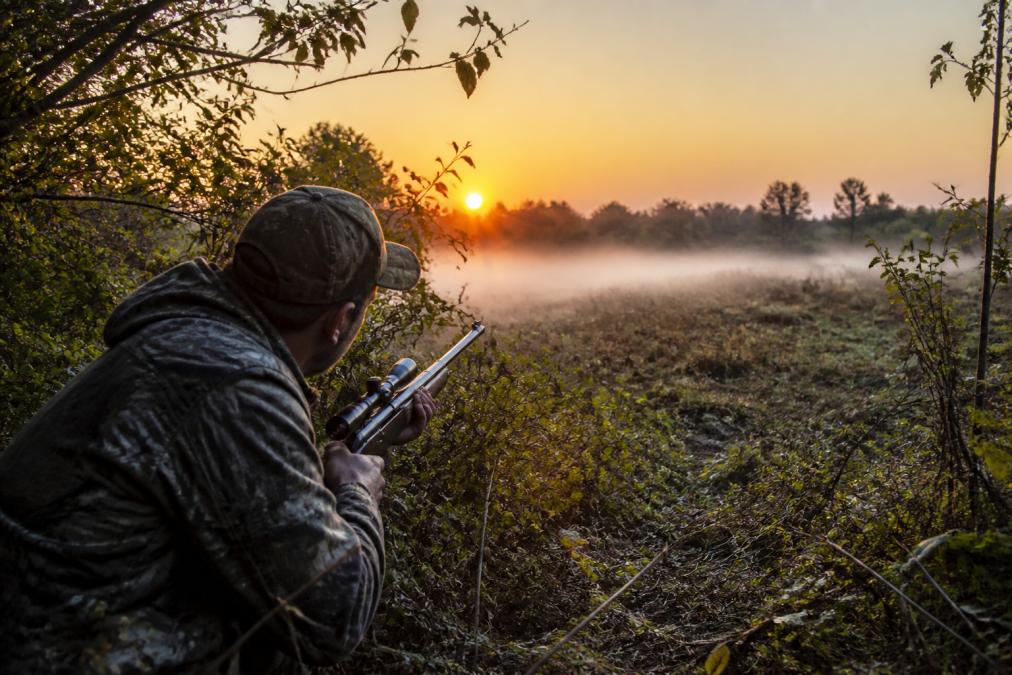
Spot and stalk remains one of the most rewarding methods because it demands active engagement with the landscape. You're moving deliberately, reading sign, and closing distance on animals actively feeding or moving through their territory. This approach works best in open or semi-open terrain where you can glass distant areas and plan your approach.
The key is patience combined with aggression. Find high ground where you can observe feeding areas, water sources, or travel corridors without detection. Wind direction matters enormously, hogs have excellent hearing and keen sense of smell. Once you've spotted your target, study the terrain between you and the animal. Plan a route using natural cover and keeping you downwind. Move slowly, pause frequently, and be ready when the hog detects you. Some hogs charge rather than flee, which is why this tactic demands confidence and a clear shot opportunity.
The best time for spot and stalk is early morning or late afternoon when hogs actively feed. They're less alert during these windows and more predictable in movement patterns.
Stand Hunting and Baiting Approaches
Stand hunting offers a different rhythm than stalking. You're positioned where hogs are likely to pass, waiting for them to come to you. This works exceptionally well over water sources, feed areas, or established travel corridors. The advantage is hunting without constant movement, reducing detection risk. The disadvantage is that success depends entirely on hog traffic patterns in your chosen location.
Baiting is legal in many regions and dramatically increases your odds of consistent encounters. Corn, protein pellets, and specialty hog baits attract animals reliably. Once hogs discover a bait site, they return regularly, often in groups, creating opportunities for multiple shots and allowing you to be selective about which animals you pursue.
When hunting over bait, elevation matters. A tree stand 15-20 feet high gives you a clear shot while keeping you above the hog's natural line of sight. Ground blinds work too, but position them carefully so hogs don't wind you as they approach.
Night Vision and Thermal Optics
Night hunting has transformed hog hunting over the past decade. Thermal optics and night vision equipment allow you to hunt when hogs are most active, often during darkness when they feel secure. Thermal imaging detects heat signatures regardless of light conditions, fog, or vegetation density.
Thermal scopes give you a significant advantage in low-light situations. You can spot hogs at distance, plan your stalk, and take ethical shots in conditions where traditional hunting would be impossible. Night vision requires ambient light to function effectively, while thermal works in complete darkness. For serious hog hunters, thermal is a superior choice, though it requires greater investment.
The ethics of night hunting are worth considering. Many hunters feel thermal and night vision hunting should be reserved for population control on agricultural land rather than trophy hunting. Others argue that hogs are nocturnal by nature and hunting them when most active simply matches your tactics to the animal's behavior. Understand your local regulations and your own values before committing to this approach.
Best Caliber for Hog Hunting and Shot Placement
Hog hunting requires a caliber that delivers adequate power and penetration. Unlike thin-skinned game, hogs have dense muscle, tough hide, and sturdy skeletal structure that demands respect. Underpowered cartridges lead to wounded animals and failed hunts.
The .308 Winchester remains the gold standard for hog hunting. It delivers consistent accuracy, reliable energy at distance, and enough power to anchor hogs effectively. The .30-06 Springfield is equally capable and offers slightly more velocity. For AR-15 platforms, .308 AR variants and 6.5 Creedmoor deliver excellent results. Shotguns loaded with slugs work at closer range in thick cover.
Shot placement is everything. The vitals on a hog are smaller than on deer, and the anatomy is different. Aim for the area just behind the front shoulder, roughly one-third of the way up from the bottom of the chest. This targeting cone reaches the lungs and heart. A well-placed shot in this area will drop a hog quickly. Avoid head shots unless at close range with a powerful caliber, hog skulls are thick and deflect bullets unpredictably.

Many hunters aim too high. Hogs often appear larger than they actually are, and distance can be deceiving. Practice at your intended hunting range before the season. Know your rifle's ballistics, understand wind drift, and commit to ethical shot placement.
Hog Hunting Regulations by State and License Requirements
Hog hunting regulations vary dramatically by state and change constantly as wildlife agencies respond to invasive species pressure. Some states have no bag limits and allow year-round hunting on private land. Others restrict seasons, limit animals you can take, or require specific licenses.
Before you hunt, contact your state's fish and wildlife agency directly. Their websites provide current regulations, required licenses, and special provisions for hog hunting. Many states classify feral hogs as invasive species rather than game animals, which simplifies regulations. Some states allow night hunting and thermal optics; others prohibit them entirely.
Licensing requirements typically include a hunting license at minimum. Some states require an additional small-game or varmint license. Private land hunting often has fewer restrictions than public land, but you must have permission from the landowner. Public land access varies widely, some national forests allow hog hunting, others prohibit it.
The legal landscape around hog hunting is favorable compared to traditional game. Hunt ethically and legally, and you'll find opportunities increasingly available as states recognize the ecological damage caused by feral swine populations.
Essential Hog Hunting Gear and Apparel
Proper gear separates successful hog hunts from miserable failures. You're spending long hours in rough terrain, often in heat or cold, and your equipment needs to perform when conditions are challenging.
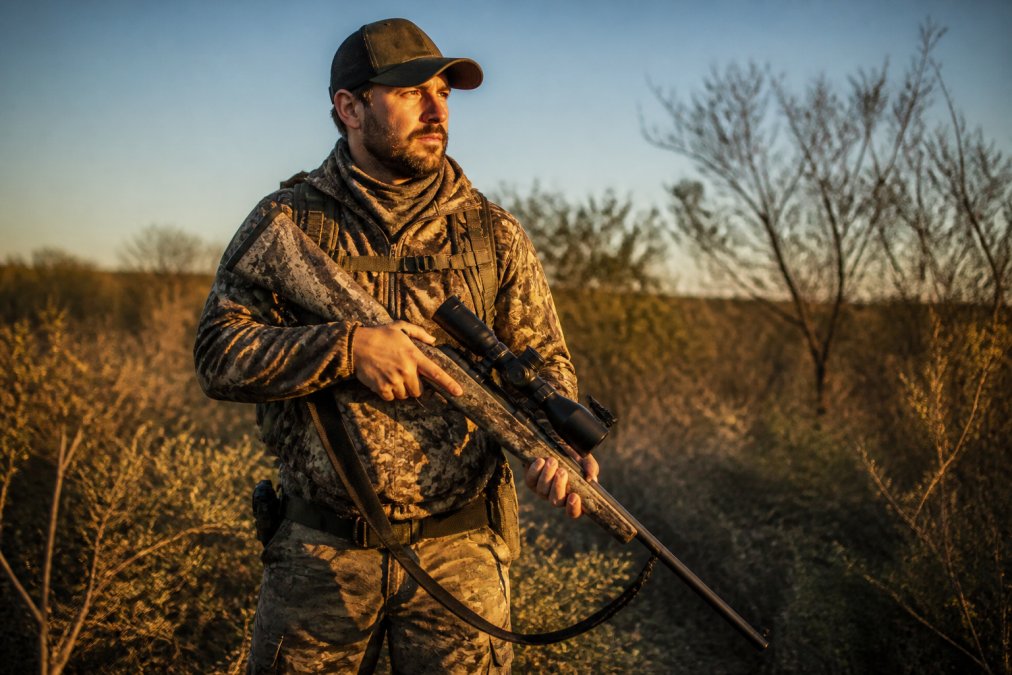
Your rifle and optics are obvious, but apparel deserves equal attention. Hogs don't see color the way deer do, but they rely heavily on scent and sound. Wear clothing that breaks up your outline and allows silent movement. Camo patterns that work in your hunting environment matter more than brand prestige.
Layering is critical. Morning temperatures might be cool, but midday heat can be intense. You need the ability to shed layers and stay comfortable as conditions change. Moisture-wicking base layers keep sweat from building up and creating scent. Mid-weight insulating layers provide warmth without bulk. An outer shell protects against wind and brush.
Footwear takes a beating on hog hunts. Quality boots with good ankle support and aggressive tread prevent injuries and fatigue. Waterproof protection is essential if hunting wetland areas where feral swine congregate.
Consider clothing designed specifically for hunting. American Predator Gear offers signature collections that celebrate the hunting lifestyle while delivering practical performance. Their designs are created by hunters who understand the realities of field conditions. The Squeal Team Six ($28.99) and Oinkin From The Boinkin ($28.99) collections bring humor and authenticity to your hunting wardrobe, these aren't generic outdoor shirts, they're statements about the lifestyle you live. For serious hunting apparel, their Camo Long Sleeve ($49.99) and APG Sweatshirt ($49.99) provide the durability and functionality that extended time in the field demands.


Beyond apparel, pack essentials like a quality knife for field dressing, a headlamp for low-light situations, water and electrolytes for hydration, and a first-aid kit. Binoculars or a rangefinder help with distance estimation. A GPS unit or smartphone with offline maps ensures you don't get lost in unfamiliar territory.
Field Dressing and Meat Handling After the Hunt
What happens after the shot is as important as the shot itself. Field dressing must be done quickly and carefully to preserve meat quality and prevent spoilage.
Begin field dressing as soon as the animal is confirmed dead. Work in a clean area if possible, away from dirt and debris. Keep your knife sharp and your hands clean. The goal is to remove internal organs without contaminating the meat with stomach or intestinal contents. Make a careful incision from the sternum to the pelvis, avoiding puncturing the digestive tract. Remove the organs and inspect the meat for signs of disease or contamination.
Once the cavity is clean, cool the carcass as quickly as possible. Get the hog into shade, prop open the body cavity to allow air circulation, and consider packing ice around the meat if you have it. Never leave a hog lying in direct sun, the meat will spoil within hours.
Transport the animal to a processing facility or your home where you can properly butcher it. If processing yourself, keep everything clean and cold. Trim away any contaminated meat, separate into primals, and package for storage. Properly handled hog meat can be excellent, ground for sausage, roasted as shoulder, or prepared as steaks.
Consider the ethical weight of your harvest. You've taken a life. Ensure that meat is used, not wasted. If unable to process the animal yourself, arrange for a professional butcher beforehand.
Conclusion: Embrace the Hog Hunting Lifestyle
Hog hunting is more than a seasonal activity, it's a commitment to understanding wild animals, respecting the land, and engaging with the outdoor lifestyle in a meaningful way. The challenges are real, the rewards are tangible, and the community of serious hog hunters welcomes those willing to put in the work.
Every time you venture into the field, you're testing yourself against an intelligent, adaptable adversary. You're managing your own fear and fatigue. You're making ethical decisions under pressure. These experiences shape who you are as a hunter and as a person.
Support the outdoor lifestyle by investing in gear that reflects your values and commitment. American Predator Gear understands this philosophy, their collections celebrate the grit and humor that define hunting culture. Whether you're wearing the Squeal Team Six tee ($28.99) before dawn or the Camo Long Sleeve ($49.99) during an extended stalk, you're representing a lifestyle that values authenticity, tradition, and respect for the wild. Shop American Predator Gear and join a community that knows hunting isn't just what you do, it's who you are. Be happy it is you and the great outdoors.
Frequently Asked Questions
What caliber is best for hog hunting?
The best caliber for hog hunting depends on your hunting style and distance. Popular choices include .308 Winchester, .30-06 Springfield, and 12-gauge shotgun with slugs for closer ranges. Feral hogs have thick skulls and require adequate penetration. Shot placement matters more than caliber, aim for the vitals behind the shoulder or the brain for ethical, quick kills. Larger boars may require heavier calibers than smaller pigs.
What hog hunting regulations apply in my state?
Hog hunting regulations vary significantly by state. Some states classify feral hogs as invasive species with no bag limits or season restrictions, while others require hunting licenses and permits. Texas, Florida, and California have different rules for public versus private land. Check your state's wildlife agency website for current regulations, license requirements, and any special hog hunting seasons. Many states offer year-round hog hunting opportunities due to their invasive status.
What is the best time of day to hunt hogs?
Early morning and late evening are prime times for hog hunting when they're most active feeding. However, hogs are nocturnal and can be hunted successfully at night using thermal optics or night vision in states where it's legal. During hot months, they often rest in water or mud during the day and feed at dusk. Overcast days and cooler weather can push them to feed throughout the day. Adjust your strategy based on season and local conditions.
Do I need a hunting license for hog hunting?
License requirements depend on your state and whether you're hunting public or private land. Many states require a valid hunting license even for hog hunting, though some classify feral hogs as nuisance animals with relaxed restrictions. Some states offer special hog-only permits or allow landowners to hunt hogs on their property without a license. Always verify current regulations with your state's wildlife agency before heading into the field.
state fish and wildlife agency regulations
invasive species management guidelines
firearm safety and hunting ethics standards
This article was written using GrandRanker