

Table of Contents
- What Makes Iowa Hunting Different
- Iowa DNR Hunting Regulations You Need to Know
- Non-Resident Deer Tags in Iowa: The Draw Explained
- Public Hunting Land in Iowa: Where to Start
- Licenses, Stamps and Hunter Safety Education
- Gear and Field Prep for Iowa Conditions
- Frequently Asked Questions
Last Updated: September 11, 2026
What Makes Iowa Hunting Different
Iowa hunting has a reputation problem, and it's the good kind. The state consistently produces some of the biggest white-tailed deer in the country, and that reputation draws hunters from every corner of the map. This guide from American Predator Gear breaks down how the seasons work, what the draw system demands, and where public ground actually gives you a shot.

Here's the tension most guides skip: Iowa's deer quality exists because access is restricted. Non-residents can't just buy a tag and show up. That scarcity is the whole point, and understanding it changes how you plan.
Seasons at a Glance: Archery, Shotgun, Muzzleloader
Iowa splits its deer seasons into three main windows, and each one plays differently. Archery season opens in early October and runs into December, giving bowhunters the longest stretch and the best shot at a mature buck before pressure builds. The shotgun seasons come in two short, intense bursts in early and mid-December, when orange floods the timber and deer get pushed hard. Muzzleloader closes out the year in late December and January, a quieter window for hunters willing to work for one clean shot.
Late muzzleloader is the sleeper. Most hunters burn out by then, and the deer that survived shotgun season are still there.
Species You Can Chase: Whitetails, Turkeys, Pheasants and More
Whitetails get the headlines, but Iowa hunting covers far more ground. Wild turkey runs a strong spring season and a fall window. Pheasant hunting holds up in the northern tier of the state where CRP grass and fence lines still exist. Quail, waterfowl, and migratory game birds round out the calendar, and small game like squirrels and rabbits fills the gaps between big seasons.
If you're chasing pheasants, walk the fence rows at first light. That's where birds hold after a cold night.
Iowa DNR Hunting Regulations You Need to Know
Every rule that matters comes from the Iowa Department of Natural Resources hunting regulations. Read the current year's booklet before you buy anything. Regulations shift, zones get redrawn, and assumptions from last season will cost you.
The core rules cover shooting hours, tagging, and harvest reporting. Shooting hours run from a half hour before sunrise to a half hour after sunset for most game, though waterfowl has its own federal framework. Tagging requirements mean you validate and attach your tag immediately after the kill, before you move the animal. Harvest reporting is mandatory for deer, and the state tracks it closely because that data drives next year's quotas.
Shooting Hours, Tagging and Harvest Reporting
Get the tagging sequence wrong and you've got a violation on your hands, no matter how clean the shot was. Tag first, then field dress, then transport. Report the harvest through the state system within the required window.
Non-Resident Deer Tags in Iowa: The Draw Explained
Non-resident deer tags in Iowa are issued through a draw, not over the counter, and that single fact shapes everything about how outsiders plan a hunt. The state caps non-resident tags by zone and by season, so demand almost always exceeds supply. You apply, you wait, and if you don't draw, you build preference points for next year.
The draw rewards patience, but it also rewards strategy. Two hunters with the same number of points can walk away with very different outcomes depending on which zone and which season they put first on their application.
How the Preference Point System Actually Works
When you apply and don't draw, the state credits you a preference point. Those points carry forward, and in most years the applicant pool is sorted so that higher point totals get first look at the available tags. A failed application isn't wasted, it's a deposit on a future tag.
The practical move: apply every year even when you can't hunt. Points stack, and when you finally draw, you're hunting ground that took years to earn. Skipping a year doesn't just delay you; it puts you behind everyone who kept applying.
A common pattern among successful non-residents is to treat the draw as a multi-year project. They pick one zone, apply consistently, and resist the urge to chase a different unit every season. Switching zones resets your local knowledge even if it doesn't reset your points.
Application Deadlines and Zone Selection
Application deadlines fall in the spring, well before the season, and missing one costs you a full year. The deadline is not flexible, and there's no late window that gets you into the same year's draw. Mark it on the calendar the moment the current regulations booklet drops.
Zone selection is where most applicants leave opportunity on the table. The state splits deer hunting into zones, and tag availability, season structure, and deer density vary between them. Popular zones with the best-known trophy reputation draw the deepest applicant pools. Zones with slightly lower name recognition can clear at lower point totals while still holding solid deer numbers.
A workable approach:
- Decide what you actually want. A specific trophy-class buck, a first Iowa deer, or simply a new state to hunt. Each answer points to a different zone and season.
- Read the prior year's draw results. The state publishes how many tags were issued and roughly where the point cutoff landed. Use it to gauge whether your point total is competitive.
- Rank your choices honestly. If you list a zone you can't realistically draw as your first choice, you may burn a year you didn't need to.
- Have a backup season. If you're flexible between archery, shotgun, and muzzleloader, you widen your odds without changing your points.
What to Do While You Wait
Waiting years for a tag is the hard part, and it's where the hunting lifestyle earns its keep. Use the off years to scout via mapping tools, talk to hunters who've drawn, and build a short list of parcels you'd target the moment a tag lands. Arriving in a new zone cold, on a tag that took years to draw, is the most expensive mistake in the non-resident game.
Public Hunting Land in Iowa: Where to Start
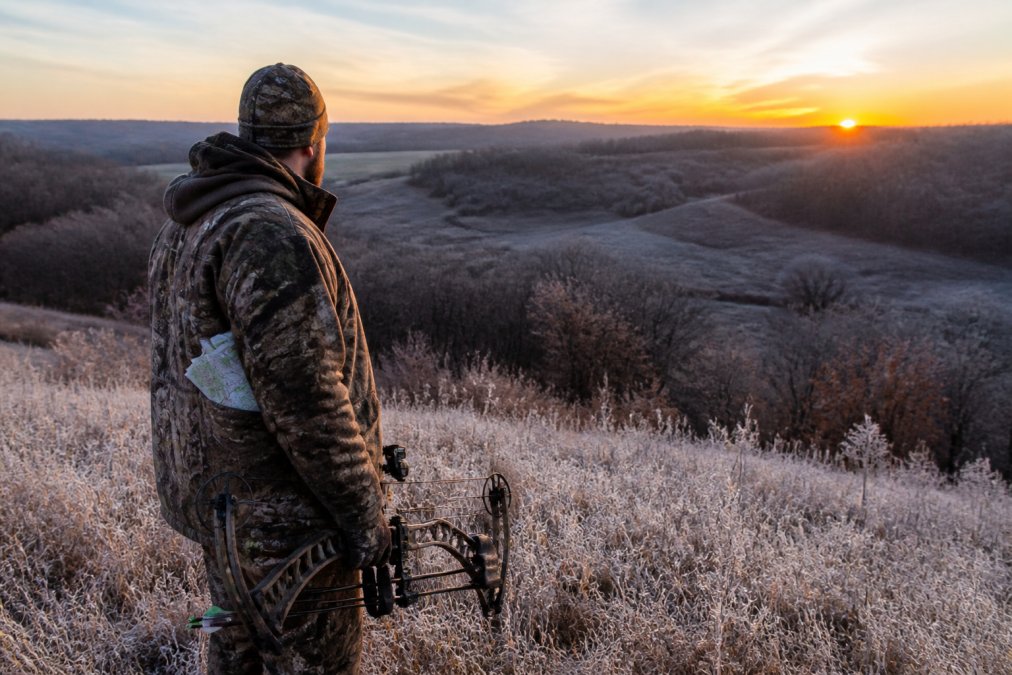
Public hunting land in Iowa is more available than the reputation suggests, but it takes scouting to make it pay. The state manages a network of wildlife management areas, and these parcels hold deer, turkey, and upland birds if you know how to read them. The catch is that the good ground isn't labeled 'good' on a map, you have to translate habitat features into huntable setups before you ever lace up your boots.
Know the Land Categories Before You Scout
Not all public ground works the same way, and the access rules change what you can do on each parcel.
| Land Type | Access | Best For | Pressure Level |
|---|---|---|---|
| Wildlife management area | Public, no permit | Deer, turkey, upland birds | High early season |
| Habitat license ground | Requires habitat license | Pheasant, small game | Moderate |
| Walk-in access | Public via agreement | Pheasant, quail | Low to moderate |
| Private with permission | Landowner contact | Mature bucks | Low |
Wildlife management areas are the backbone. They're state-owned, open to public hunting, and managed specifically for wildlife habitat. Habitat license ground and walk-in access parcels are private land opened to hunters under agreement, which means the rules can differ parcel to parcel, always confirm what's allowed before you park.
The Scouting Sequence That Actually Works
Most hunters scout by driving to a parcel and walking in blind. A better sequence starts at the desk.
- Pull the state's public land mapping tool. It shows WMA boundaries, parking areas, and access points. Cross-reference it with aerial imagery so you can see habitat the map doesn't label.
- Mark the edges. Timber-to-grass transitions, creek bottoms, and field corners are where deer and upland birds concentrate. On aerial imagery, look for the seams between cover types.
- Find the pinch points. Terrain that funnels movement, a saddle between two ridges, a fence line cutting through timber, a narrow strip of cover between open fields, concentrates animals and gives you a predictable setup.
- Check the pressure. Look for boot tracks, parked vehicles, and worn trails near the access point. Heavy sign close to parking means the parcel gets hunted hard.
- Walk it before the season. Aerial imagery lies about ground cover, water, and how loud the leaves are. One preseason walk tells you more than an hour on a screen.
Beating Pressure on Public Ground
Pressure on public land concentrates in the first week of the season and near the easiest access. The hunters who consistently see deer on public ground aren't hunting better habitat, they're hunting the same habitat at different times and from different angles.
- Hunt the middle of the week. Weekend pressure pushes deer into cover, and they often stay there into Monday and Tuesday.
- Go deeper than the crowd. Most hunters stop within a short walk of the parking area. The back half of a large parcel sees a fraction of the traffic.
- Let the crowd work for you. When other hunters push through a parcel, deer move. Set up on escape routes and transition edges rather than the open feeding areas everyone else watches.
- Hunt the back half of the season. Late-season public ground is quieter, and the deer that survived opening week are still there.
Licenses, Stamps and Hunter Safety Education
Licenses and stamps are the entry fee for Iowa hunting, and the requirements stack. Residents and non-residents need a base hunting license, plus species-specific tags. Waterfowl hunters add a federal duck stamp and a state conservation stamp. Habitat licenses unlock certain public parcels.
Hunter safety education is mandatory for anyone born after a certain date, and the course is available online and in person. Complete it before you plan a trip. No certificate, no license, no exceptions.
Gear and Field Prep for Iowa Conditions
Iowa hunting gear has to handle real swings. October mornings can start in the thirties and climb into the sixties by noon. December shotgun season brings wind, snow, and single digits. Layers beat bulk every time, and quiet fabric matters more than most hunters admit.
For bowhunters, the draw is the whole game. Bulky cold-weather gear that restricts your anchor will cost you a shot. Look for performance layers that move with you. American Predator Gear's camo long sleeve uses moisture-wicking Realtree EDGE print with a quarter-zip for venting on the walk in. Pair it with a fleece mid-layer like the APG hoodie and you've got a system that handles a thirty-degree swing without turning you into a noisy marshmallow.

Field prep starts before the season. Practice with your broadheads, not just field points. Sight in your slug gun at the distance you'll actually shoot. And have a field dressing plan, because a mature Iowa buck is a lot of work in the dark.
Iowa hunting rewards the patient and punishes the unprepared. The draw takes years, the seasons come fast, and the conditions change by the hour. That's the reality of the field, and it's exactly why the hunting lifestyle is worth celebrating.
American Predator Gear builds apparel for hunters who live this life, with designs created by hunters for hunters and new limited-edition drops every month. Our signature lines like Sounder Pounder and Smokin Yotes speak to specific hunting styles, not generic camo. Shop American Predator Gear and wear the stories you live by every season.
Frequently Asked Questions
Can non-residents hunt in Iowa?
Yes. Non-residents can hunt Iowa, but deer and turkey require a draw. You apply for non-resident deer tags Iowa through the Iowa DNR, pay the application fee, and wait for results. Small game, waterfowl and migratory game birds are generally easier to access with an over-the-counter license and the required stamps. Turkey tags also run through a lottery, so plan your application around the published deadlines rather than assuming you can buy a tag the week before the season.
How do I apply for an Iowa hunting license?
Buy resident licenses through the Iowa DNR online portal or an approved retailer. Non-residents apply for the deer and turkey draws during the open application window, then purchase the license once drawn. Everyone born after July 1, 1972 needs a hunter safety education certificate, and non-residents must carry a habitat license plus the appropriate stamp for the species. Keep your license and tags on you in the field, since tagging requirements are enforced.
Does Iowa have good hunting for whitetails?
Iowa is one of the top whitetail destinations in the country, largely because of limited non-resident tags and strong age structure in the herd. That means fewer hunters per acre and better odds at mature bucks. The tradeoff is that non-resident deer tags Iowa are hard to draw, and preference points often build for several years before a hunter pulls a tag. Residents have far more flexibility, including antlerless deer tags in many zones.
What can you hunt in Iowa right now?
It depends on the season. Fall and winter bring archery, shotgun and muzzleloader deer seasons, plus pheasant, quail, waterfowl and other migratory game birds. Spring is turkey season. Small game and trapping regulations run on their own schedules. Check the current Iowa DNR hunting regulations for exact dates, shooting hours and bag limits, because season windows shift slightly year to year and zone rules vary across the state.