

Table of Contents
- Louisiana Hunting: The Lifestyle That Defines Us
- Louisiana Hunting Seasons: Know Your Dates
- Louisiana Hunting License Requirements
- Bag Limits, Tagging, and Harvest Reporting
- Louisiana Public Land Hunting Access
- Safety, Ethics, and Gear Essentials
- Getting Started: Your Hunting Roadmap
- Frequently Asked Questions
Last Updated: September 3, 2026
Louisiana Hunting: The Lifestyle That Defines Us
For those who hunt, Louisiana hunting isn't just a seasonal activity, it's a way of life. The marshes, hardwoods, and swamps offer diverse hunting opportunities that shape who we are as outdoor enthusiasts. Whether pursuing whitetail deer through dense timber, calling waterfowl over flooded fields, or tracking wild hogs through bottomland, the experience defines us.
Before heading into the field, understand Louisiana's specific seasons, licensing requirements, bag limits, and regulations designed to protect wildlife while ensuring hunters pursue their passion responsibly. This guide breaks down everything you need to know about Louisiana hunting, from season dates to license types to the gear that honors the tradition.
Louisiana Hunting Seasons: Know Your Dates
Understanding when you can legally hunt different species is fundamental. Louisiana's hunting calendar is packed with opportunities, but each has specific opening and closing dates that vary by weapon type, zone, and species.
Deer Season and Archery Opportunities
Deer hunting in Louisiana typically runs from late September through early January. Archery season usually opens first in early October, giving bowhunters a head start before firearms seasons begin.
The firearms deer season splits into segments: early season (often November), peak season (mid-November through December), and late season (late December into January). Primitive firearms seasons using muzzleloaders or shotguns with slugs may have separate dates. Youth seasons and veteran hunting programs often run parallel to regular seasons.
Louisiana divides the state into deer management zones. Your zone determines exact season dates and bag limits. Check which zone you'll be hunting and verify specific dates before purchasing licenses or scheduling your trip.
Waterfowl and Migratory Game Birds
Waterfowl hunting in Louisiana is legendary. The state sits along the Mississippi Flyway, making it critical for ducks, geese, and other migratory game birds heading south for winter. Duck season typically runs from mid-November through late January, though dates vary by zone and species.
Goose seasons often run parallel to duck seasons but may have different bag limits and species restrictions. Louisiana also offers hunting for rails, snipe, and woodcock, with typically shorter seasons than duck and goose hunting.
All migratory game bird hunting requires a federal Migratory Bird Hunting and Conservation Stamp (duck stamp), in addition to your Louisiana hunting license. The stamp funds wetland conservation across the country.

Small Game and Other Species
Louisiana offers hunting for rabbits, squirrels, raccoons, opossums, and other small game. Rabbit season typically runs from November through February, while squirrel seasons often open in September and run through December.
Wild hog hunting has become increasingly popular. Hogs aren't native to Louisiana but have established populations across much of the state. Many areas allow year-round hog hunting with few restrictions, they're considered invasive and destructive.
Alligator harvest seasons are limited and highly regulated through a lottery system where successful applicants receive tags to harvest one alligator during the designated season (typically late August through early October).
| Species | Typical Season | Weapon Types | Notes |
|---|---|---|---|
| Whitetail Deer | Oct-Jan | Archery, Firearms, Primitive | Varies by zone and season segment |
| Ducks | Mid-Nov to Late Jan | Shotgun | Requires duck stamp |
| Geese | Nov-Jan | Shotgun | Separate bag limits from ducks |
| Rabbits | Nov-Feb | Shotgun, Rifle | Popular small game option |
| Squirrels | Sep-Dec | Shotgun, Rifle | Early season often best |
| Wild Hogs | Year-round | Multiple | Few restrictions; invasive species |
| Alligators | Late Aug-Early Oct | Harpoon, Rifle | Lottery-based permits only |
Louisiana Hunting License Requirements
You cannot legally hunt in Louisiana without the proper license. The state offers several license types depending on residency status, age, and hunting goals.
Resident vs. Nonresident Licenses
A Louisiana resident hunting license allows you to pursue all legal game species during their respective seasons. Residency requires living in Louisiana for at least one year and holding a valid Louisiana driver's license or ID card.
Nonresident licenses are available for out-of-state hunters at higher costs and may have different privileges. Some nonresident licenses are restricted to specific hunting methods or seasons. Many nonresidents purchase annual licenses for multiple trips; others opt for 3-day, 7-day, or 14-day options for single hunting trips.
All licenses must be purchased before you step into the field. Buy them online through the LDWF website, at authorized retailers, or in person at LDWF offices. Digital licenses are available immediately.
Youth and Veteran Hunting Programs
Louisiana offers special hunting licenses and seasons for youth hunters (typically ages 16 and under) and disabled veterans. Youth hunters may access special youth-only seasons before regular seasons open, providing dedicated opportunities with less competition.
Veteran hunters with service-connected disabilities can access special licenses and seasons through the LDWF. Verify eligibility and benefits directly with the LDWF, as these can change.
Bag Limits, Tagging, and Harvest Reporting
Bag limits specify how many animals of each species you can legally harvest per day and per season. Bag limits vary by zone, season, and species.
Possession limits differ from bag limits. A possession limit is the maximum number of animals you can have in your possession at any time, including animals from previous days.
Carcass tags must be attached to harvested animals before leaving the field. These tags prove legal harvest and must remain attached until processing.
Harvest reporting is mandatory for certain species. Deer and turkey harvests must be reported to the LDWF within specific timeframes. Failure to report results in fines and license suspension.
Louisiana Public Land Hunting Access
Not all hunters have access to private land. Public land hunting provides opportunities for those without private leases or landowner permission.
Wildlife Management Areas (WMAs)
Louisiana manages numerous Wildlife Management Areas specifically for public hunting and fishing. Each WMA has its own regulations, seasons, and access requirements.
Some WMAs require special permits or use lottery systems. Others are first-come, first-served. Before hunting a WMA, verify current regulations on the LDWF website.
WMAs often have specific rules about hunting methods, vehicle use, and camping. Respect these areas, they're maintained for all hunters.
Lottery Hunts and Special Permits
Louisiana offers lottery-based hunting opportunities for certain species and locations. Alligator harvest permits are allocated through a lottery. Some premium deer hunting areas may also use lottery systems to limit hunter density.
To participate, apply during the designated application period, typically online through the LDWF website. Winners are selected randomly and receive permits for specific hunts.
Safety, Ethics, and Gear Essentials
Hunting safely and ethically is non-negotiable. The field demands respect for the animals you pursue, for other hunters, and for yourself.
Hunter Safety Certification
Most states require hunter safety certification before purchasing a hunting license. Louisiana requires all first-time hunters and those under a certain age to complete a hunter safety course covering firearm safety, hunting ethics, wildlife management, and survival skills.
Courses are offered by the LDWF and certified instructors throughout the state, available online or in person. Upon completion, you receive a certificate allowing you to purchase your hunting license.
Field Dressing and Carcass Care
Proper field dressing and carcass care are essential after an ethical harvest. Field dressing means removing internal organs to cool the carcass and preserve meat quality. The sooner you dress the animal, the better your meat quality.
Carcass tags must remain attached throughout field dressing and transport, kept visible and secure.
Gear That Honors the Tradition
Your hunting gear reflects your commitment to the lifestyle. Quality apparel keeps you comfortable and visible to other hunters.
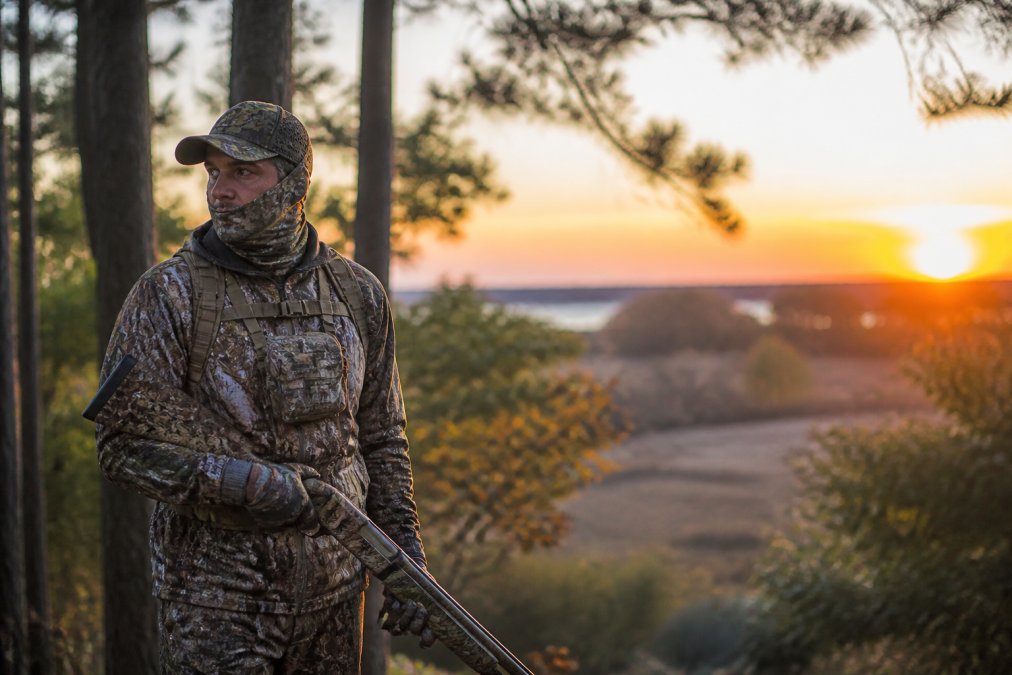
Camouflage clothing helps you blend into your hunting environment. Different patterns work better in different seasons and habitats.
Layering is essential. Louisiana weather shifts dramatically, warm mornings can turn cold by afternoon. Quality base layers, insulating mid-layers, and weather-resistant outer layers keep you functional throughout the day.
American Predator Gear's hunting apparel combines moisture-wicking performance with camouflage designed specifically for hunters who demand gear that works as hard as they do. Tag-free labels and performance construction reflect quality standards that matter in the field. Consider our Camo Long Sleeve for $49.99, featuring 100% polyester moisture-wicking fabric and a tag-free label, perfect for staying comfortable.

Blaze orange is legally required in many hunting situations. Check Louisiana regulations for your specific hunt, but generally, you'll need blaze orange visible during firearms seasons. This is a legal requirement and safety imperative.
Boots matter more than most hunters realize. Quality hunting boots provide support, traction, and waterproofing in wet, muddy, brushy terrain.
Getting Started: Your Hunting Roadmap
If you're new to Louisiana hunting, here's a practical roadmap to get you started.
Step 1: Determine Your Target Species Decide what you want to hunt. Your choice determines which seasons, licenses, and gear you'll need.
Step 2: Check Season Dates and Regulations Visit the LDWF website and find specific season dates for your species and hunting zone. Verify bag limits, tagging requirements, and special regulations.
Step 3: Complete Hunter Safety Certification If required, complete a hunter safety course. This is mandatory before purchasing your license and provides essential knowledge.
Step 4: Purchase Your License Buy your hunting license online or at an authorized retailer. Have your Louisiana ID ready.
Step 5: Secure Access to Hunting Land Decide whether you'll hunt private land (with owner permission), public WMAs, or lottery hunts. If hunting private land, get written permission from the landowner.
Step 6: Prepare Your Gear Invest in quality hunting apparel, boots, and safety equipment. Test your gear before the season and ensure your firearm or bow is properly sighted and maintained.
Step 7: Scout Your Hunting Area Spend time in your hunting area before the season opens. Learn the terrain, identify animal sign, and plan your hunting strategy. Scouting often determines success more than any other factor.
Step 8: Hunt Responsibly Follow all regulations. Harvest ethically. Respect other hunters and landowners. Represent the hunting community with integrity.
Louisiana hunting represents more than a seasonal pursuit, it's a commitment to a lifestyle rooted in tradition, respect for wildlife, and connection to the land. The regulations, licenses, and seasons exist to protect the resource that makes this lifestyle possible. Understanding and following them is stewardship.
As you prepare for your Louisiana hunting season, remember that quality gear reflects your dedication to the hunt. American Predator Gear was built by hunters who understand the demands of the field and the pride of representing the hunting lifestyle. From camouflage apparel designed for Louisiana's diverse habitats to gear that performs through long days in challenging conditions, we've created products that honor what drives you into the woods. Gear that tells your story and celebrates the mixed emotions, the struggles, and the pure joy of being in the field. Shop American Predator Gear and carry the hunting spirit with you every season.
Frequently Asked Questions
Q: What is the most hunted animal in Louisiana?
A: Deer are the most hunted game species in Louisiana, with whitetail deer drawing thousands of hunters annually during archery and firearms seasons. Waterfowl, particularly ducks and geese during migratory seasons, rank second. Small game like squirrel, rabbit, and wild hog also attract significant hunter interest. The diversity of game species available makes Louisiana hunting accessible for different skill levels and hunting styles.
Q: Can I hunt on my own land without a Louisiana hunting license?
A: No. Louisiana law requires all hunters to possess a valid hunting license, regardless of whether you hunt on private land you own or lease. The only exceptions are children under 16 hunting under direct supervision of a licensed adult and certain resident landowners hunting specific game on their property under limited circumstances. Always verify current regulations with the Louisiana Department of Wildlife and Fisheries before hunting.
Q: How do I purchase a Louisiana hunting license?
A: You can purchase a Louisiana hunting license online through the Louisiana Department of Wildlife and Fisheries website, at authorized retailers statewide, or by phone. Licenses are available as annual or short-term options. Resident licenses cost significantly less than nonresident licenses. You'll need a valid ID and Social Security number. Digital licenses are available immediately for online purchases, making it quick to get started before your next hunt.
Q: What are the public land hunting requirements in Louisiana?
A: Public land hunting in Louisiana requires a valid hunting license, applicable permits or lottery permits for specific Wildlife Management Areas (WMAs), and compliance with season dates and bag limits. Some WMAs require additional applications or drawings for access. Hunter safety certification may be required for certain age groups. Check the Louisiana Department of Wildlife and Fisheries for specific WMA regulations, as requirements vary by location and game species hunted.
This article was written using GrandRanker