

Table of Contents
- Why New Mexico Hunting Stands Apart
- Big Game Species and What to Expect
- New Mexico Elk Hunting Draw Explained
- Licenses, Seasons, and Bag Limits
- Public Land Access and Landowner Tags
- High Desert Hunting Gear That Earns Its Place
- Post-Harvest Care and Field Dressing Basics
- Conclusion: Answer the Call of the High Desert
- Frequently Asked Questions
Last Updated: September 7, 2026
New Mexico hunting is not a casual pastime; it is a test of grit, patience, and woodsmanship across some of the most unforgiving and beautiful terrain in the American West. The Land of Enchantment offers a diversity of big game few states can match, from trophy bull elk to desert bighorn sheep. This guide from American Predator Gear breaks down the essentials of new mexico hunting, species, draw odds, gear, and the reality of the field.
Most hunters chasing new mexico hunting opportunities quickly discover that the state’s reputation for record-book animals is matched only by the complexity of its application system. The landscape is vast, the game is tough, and the weather can turn on a dime. Below, we’ll show you how to navigate the license process, pick your units, and gear up for the high desert.
Why New Mexico Hunting Stands Apart
The draw odds for premium hunts are long, but the payoff is a chance at a true giant. When you’re glassing a mountainside at 10,000 feet for a bull that has evaded every other hunter, you understand why this pursuit draws people back.
What makes new mexico hunting unique is the sheer diversity of terrain and species. You can chase mule deer in the sagebrush flats, call in a Merriam’s turkey in the ponderosa pines, or spot a desert bighorn sheep on a cliff face that looks impossible to climb. The state’s game management unit system divides the land into distinct zones, each with its own population dynamics and hunting regulations, meaning scouting is not just helpful but essential.
Big Game Species and What to Expect
Elk are the crown jewel, with the state producing some of the largest bulls on the continent. Mule deer offer a challenging spot-and-stalk hunt across open country. Pronghorn antelope provide a unique prairie pursuit where judging trophy quality from a distance is the name of the game.
For the truly adventurous, desert bighorn sheep and mountain lion hunts represent the pinnacle of difficulty and reward. Black bear, javelina, and waterfowl round out a calendar that offers nearly year-round opportunities.
| Species | Typical Terrain | Hunt Difficulty | Best Time to Apply |
|---|---|---|---|
| Elk | High country, timberline | High | Early draw period |
| Mule Deer | Sagebrush, canyons | Moderate | Early draw period |
| Pronghorn | Open prairie | Easy to Moderate | Early draw period |
| Desert Bighorn | Rugged cliffs | Extreme | Limited draw |
| Javelina | Desert scrub | Moderate | Late winter |
New Mexico Elk Hunting Draw Explained
The New Mexico elk hunting draw is a computerized random lottery, but the randomness is weighted in a way that rewards patience and punishes impulsiveness. Each applicant receives a random number per hunt code, and tags are awarded to the lowest numbers. Your odds are about how you structure your application across the state’s hunt code hierarchy.
The system uses a bonus point structure for elk, where each year you apply and do not draw, you earn a point that improves your odds in future draws. However, New Mexico also offers random draw pools where bonus points do not apply. This dual-track system means you must decide each year whether to burn your points on a premium unit or play the random pool.
A Step-by-Step Walkthrough That Most Guides Skip
- Create your profile and verify hunter education. The state’s online portal requires your hunter education number or a prior license number. Non-residents must also have a valid identification number on file.
- Research hunt codes using the interactive map. Do not rely on the PDF proclamation alone. The online map shows unit boundaries, land ownership, and access points, critical for understanding whether a unit is actually huntable.
- Pull the previous year’s draw odds report. This report shows how many applicants applied for each hunt code, how many tags were issued, and the lowest random number drawn. A hunt code with 2,000 applicants for 10 tags is a different proposition than one with 200 applicants for 10 tags.
- Decide your point strategy. If you have 5+ bonus points for elk, you are in the conversation for trophy units like the Gila or the San Juan. If you have 0-2 points, your realistic play is a secondary unit with better odds or the random pool.
- Enter your hunt code choices in order of preference. The system processes your first choice first. If you do not draw it, it moves to your second choice. A common mistake is listing two premium units as your top choices, you will likely draw neither and waste a year.
- Purchase your license and habitat stamp immediately upon drawing. The state gives you a window to accept the tag and pay the fee. Miss that window, and the tag goes to the next applicant.
The Trade-Off Most Hunters Get Wrong
A tag in a famous unit is worthless if you cannot physically hunt the terrain or if you do not have access to the private land that dominates the unit. The state’s own harvest data shows that many premium units have low success rates simply because hunters cannot access the elk. Before you burn a decade of bonus points, research the unit’s public land percentage and talk to the local biologist.
The Reality of the Draw: What to Expect Emotionally
The draw is a rollercoaster. You will check your email obsessively on notification day, and when the results come in, you will either feel the rush of a tag in your pocket or the hollow disappointment of another year of waiting. The ones who keep coming back understand the draw is not just a lottery, it is a long game of commitment to a place, a species, and a lifestyle.
Licenses, Seasons, and Bag Limits
Every hunter must hold a valid license and the appropriate habitat stamp, and most big game requires a tag obtained through the draw. The New Mexico Department of Game and Fish regulations publishes season dates and bag limits annually, and these change, so checking the current proclamation is non-negotiable.
Non-resident license fees are significantly higher than resident fees, and the application windows are strict. Hunters must also complete a harvest reporting requirement, usually within a set number of days after the season closes, even if you did not harvest an animal. Missing this step can result in penalties that affect your future application status.
Public Land Access and Landowner Tags
A common misconception is that all the best hunting is locked up on private ranches. The truth is more nuanced, and more promising for the hunter willing to do homework. The state boasts millions of acres of public land, including national forests, Bureau of Land Management holdings, and state trust lands. But the real skill is learning how to use them.
The Three Tiers of Public Land Access
Tier 1: Walk-In Only. These are the blocks of public land surrounded by private property. No road access exists. You will park on a public road shoulder and hike in. The hunting pressure is lighter because most hunters will not make the effort. The elk and mule deer know this, they bed in these pockets because they are safe. For the hunter willing to hike a mile or more, these areas can be goldmines.
Tier 2: Road-Accessible Public Land. These units have maintained forest roads and BLM two-tracks. They are the easiest to hunt, which means they receive the most pressure. The key is timing, hunt the weekdays, the late season, and the areas that require a high-clearance vehicle. Most hunters will not drive the rough road to the trailhead, so the extra effort pays off.
Tier 3: State Trust Lands. These are not always open to the public. The state land office leases grazing rights to ranchers, and access is often restricted or requires a permit. However, some state trust lands are open to hunting through specific access programs. Check the state land office website for the current list of open parcels, it changes annually.
Landowner Tags: The Premium Shortcut
Landowner tags are a separate pool of licenses available to individuals who control private land. These tags bypass the draw entirely. The trade-off is financial, landowner tags command a significant premium over draw tags, and the price varies wildly depending on the species, the unit, and the quality of the animals on that specific ranch.
Landowner tags are not all created equal. Some are for high-fenced operations where the outcome is nearly guaranteed. Others are for genuine free-range ranches where the hunting is as challenging as any public land. Before you spend money on a landowner tag, ask the outfitter or landowner three questions:
- What is the success rate on this specific ranch? Not the unit average, the ranch’s actual harvest data.
- Is the ranch high-fenced or free-range? High-fenced operations are a different experience entirely.
- What is the terrain like? A ranch that looks flat on a map can be a maze of canyons that will humble you.
The Hybrid Strategy: Public Land Plus a Plan
The smartest hunters build a hybrid strategy. They apply for the draw every year, building bonus points. They scout public land during the summer, learning the drainages and the bedding areas. And they keep a relationship with a local outfitter or landowner as a backup plan.
This approach keeps hunters in the game every season. They are not waiting on a lottery ticket, they are building a portfolio of options. One year they might draw a premium public land tag, the next they might buy a landowner tag for a different species, and the year after that they might hunt the walk-in pockets with their bow.
The Emotional Side of Access
There is a special frustration that comes from watching a bull elk feed onto private land at last light, knowing you cannot follow. It happens to every hunter who works public ground. But there is also a deep satisfaction in knowing you earned your animal on land that belongs to everyone. The public land hunt is not the easy path, it is the honest path.
High Desert Hunting Gear That Earns Its Place
The high desert will punish poor choices. The temperature swing between a chilly morning and a scorching afternoon can be thirty degrees, and the terrain is abrasive on everything it touches.
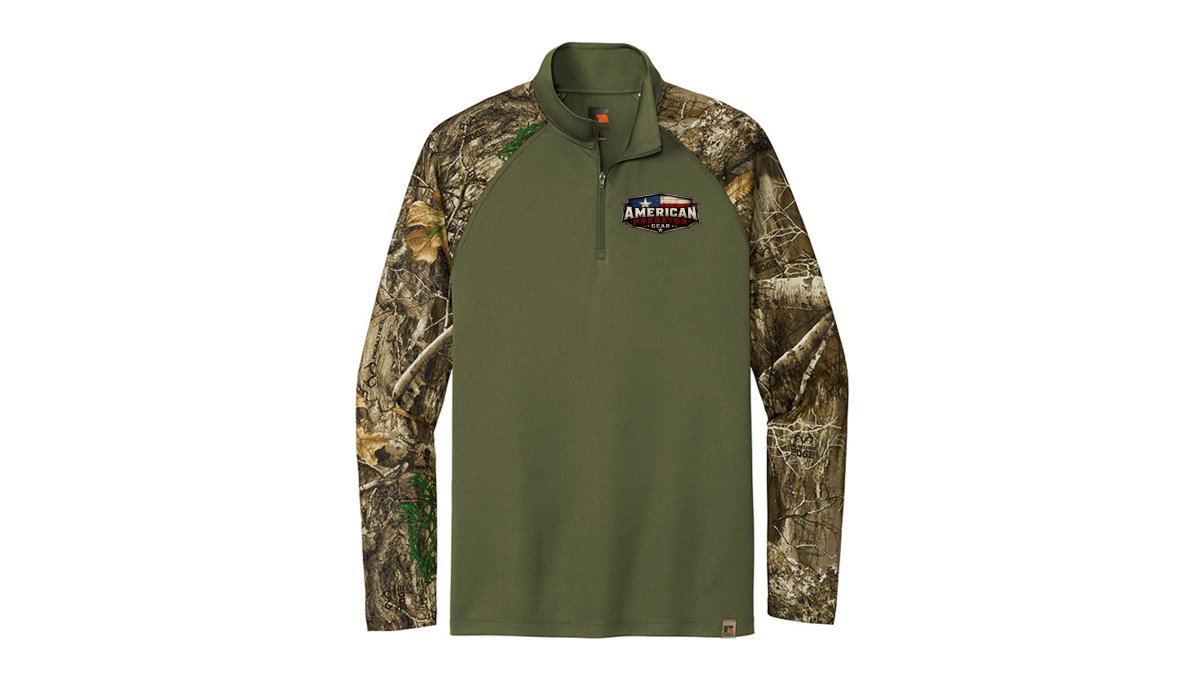
Layering is the only strategy that works. A moisture-wicking base layer, a mid-layer for insulation, and a durable outer shell that resists thorns are the foundation. For early season hunts, a quality piece like the Camo Long Sleeve from American Predator Gear offers breathability and sun protection without the bulk that restricts movement or makes noise when you draw your bow.

Post-Harvest Care and Field Dressing Basics
The hunt does not end when the animal is down; it begins a race against time and heat. Field dressing is the critical first step to ensure the meat is not ruined. You need a sharp knife, a way to hang the animal, and game bags to protect the meat.
Start by removing the internal organs carefully to avoid puncturing the stomach or intestines. Cool the carcass as quickly as possible by propping the chest cavity open and moving the animal to shade. In warmer weather, be prepared to quarter the animal and pack it out immediately. Getting the meat to a processor or your own cooler within hours is the difference between prime steaks and wasted game.
Conclusion: Answer the Call of the High Desert
New mexico hunting is a demanding pursuit that rewards those who respect the land, the animal, and the process. The application system requires homework, the terrain requires physical fitness, and the weather requires gear you can trust. It is a lifestyle built on early mornings, long hikes, and the quiet satisfaction of a job done right.
At American Predator Gear, we understand that lifestyle because we live it. Our apparel is designed by hunters, for hunters, to celebrate the humor, the grit, and the patriotic spirit of the outdoors. Whether you are chasing a trophy bull or just enjoying the view from a ridge, wear something that tells your story. Shop the collection and gear up for a season you will not forget.
Frequently Asked Questions
Does New Mexico have good hunting?
Yes. New Mexico hunting offers some of the most diverse big game opportunities in the West, including trophy bull elk, mule deer, pronghorn antelope, desert bighorn sheep, black bear, and mountain lion. The state has millions of acres of public land and a fair lottery system for limited-entry hunts. Terrain ranges from high alpine forest to open desert, which keeps the experience challenging and the game populations healthy. For hunters willing to scout hard and adapt to elevation, the quality of the experience is hard to match.
How does the New Mexico elk hunting draw work?
The New Mexico elk hunting draw is a lottery system where hunters apply for specific hunt codes and game management units. You submit an application during the designated window, pay the non-refundable application fee, and then wait for the draw results. Preference points can improve your odds over time for highly coveted units. Non-residents are limited to a percentage of tags in most units, which makes understanding draw odds essential. Check current season dates and application deadlines each year, as they can shift.
What is the best high desert hunting gear for New Mexico?
The best high desert hunting gear handles dramatic temperature swings and rugged cover. Start with a moisture-wicking camo long sleeve base layer to manage sweat during the hike in. Add a lightweight, quiet outer layer that blocks wind and resists snags on juniper and pinon. Quality boots with aggressive tread are non-negotiable for rocky slopes. A hydration pack, binoculars, and a rangefinder round out the essentials. Wear layers you can shed quickly when the sun tops the ridge.
Can a non-resident hunt in New Mexico?
Yes, non-residents can hunt in New Mexico, but they must apply through the same draw system as residents for most big game species. Non-resident licenses are limited by law to a certain percentage of tags per unit, so competition for premium hunts is stiff. Applying early and building preference points gives you a better chance over time. Some over-the-counter options exist for certain species and units, but a valid New Mexico hunting license and any required stamps are always mandatory before heading out.