

Table of Contents
- Oklahoma Hunting: The Lifestyle and Reality
- Oklahoma Deer Season Dates and Regulations
- License and Permit Requirements
- Public Land Hunting Access and Wildlife Management Areas
- Turkey, Waterfowl, and Upland Game Seasons
- Hunting Gear Essentials for Success
- Field Dressing, Harvest Reporting, and Conservation
- Frequently Asked Questions
Last Updated: September 2, 2026
Oklahoma Hunting: The Lifestyle and Reality
Oklahoma hunting isn't just a seasonal activity, it's a way of life that defines how thousands of people spend their fall and winter months. Those who hunt know the reality: the mixed emotions every time you step into the field, the discipline required to sit in a blind or tree stand for hours, and the deep connection to the land and wildlife that keeps you coming back. At American Predator Gear, we celebrate this lifestyle through apparel designed by hunters, for hunters, because we understand what it takes to be out there.

The state offers diverse hunting opportunities across public lands and private properties, with seasons for deer, turkey, waterfowl, and upland game. But before you head out, you need to understand the rules, seasons, and licensing requirements that govern Oklahoma hunting. This guide covers everything from archery and gun season dates to gear essentials and field practices, so you can focus on what matters: the hunt itself.
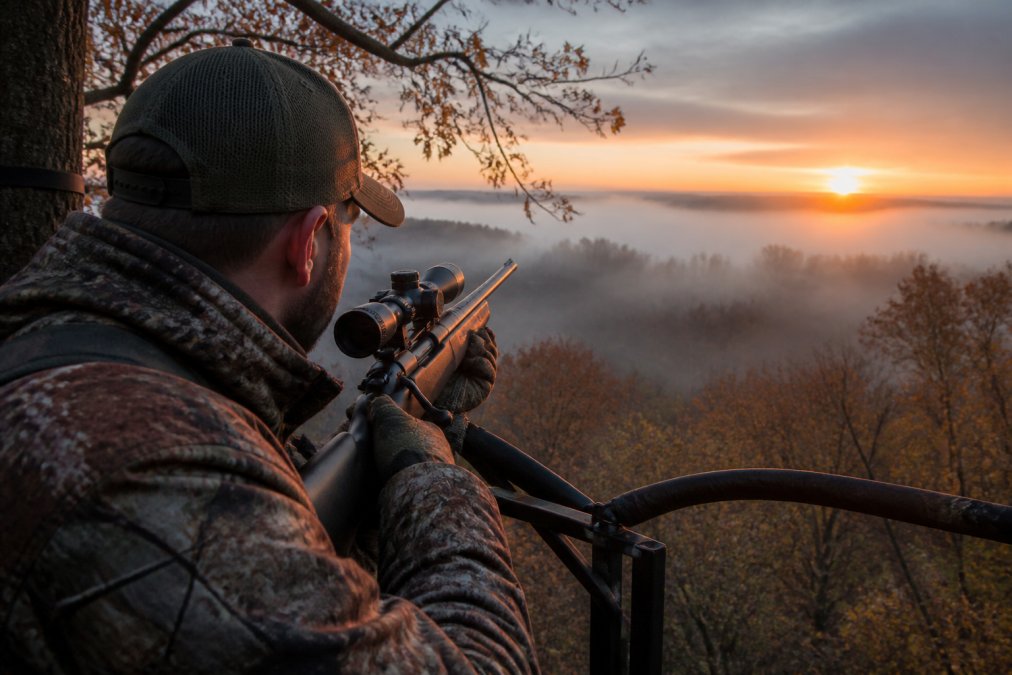
Oklahoma Deer Season Dates and Regulations
Deer season is the heartbeat of Oklahoma hunting. The state's generous season structure gives hunters multiple opportunities to pursue whitetail deer across different hunting methods, each with its own timeline and regulations.
Archery and Gun Season Timelines
Archery season for deer in Oklahoma typically opens in early September and runs through mid-November, giving bowhunters nearly three months to pursue whitetail. This extended timeline rewards patience and skill.
Gun season follows, usually opening in mid-November and running through early January. The specific dates shift slightly year to year, so checking the current Oklahoma Department of Wildlife Conservation (ODWC) regulations before heading out is essential. Gun season compresses the timeline but opens opportunities for hunters who prefer firearms or want a second chance at the rut when deer movement peaks.
Youth gun season runs for a dedicated weekend in early November, giving young hunters a chance to pursue deer with firearms before the general gun season opens. This is a critical opportunity for introducing the next generation to Oklahoma hunting traditions.
Bag Limits and Antlerless Deer Rules
Oklahoma allows hunters to harvest multiple deer per season under specific conditions. The standard bag limit is typically two deer during the archery season and two during gun season, though antlerless deer regulations vary by wildlife management area and year. Some areas have antlerless deer seasons with specific dates and restrictions, while others allow antlerless harvest throughout the season.
Understanding antlerless deer regulations matters because they reflect wildlife management priorities. When the state opens antlerless seasons, it's usually because the herd needs population management. Taking antlerless deer supports conservation while providing hunting opportunity.
License and Permit Requirements
Before you can legally hunt in Oklahoma, you need the right licenses and permits. The licensing structure differs for residents and non-residents, and understanding these requirements prevents costly mistakes and legal issues.
Resident vs. Non-Resident Licensing
Oklahoma residents can purchase an annual hunting license that covers most game species, including deer, turkey, and upland birds. Non-residents face higher licensing costs and more restrictive options. According to Oklahoma Department of Wildlife Conservation, non-residents typically need to purchase specific licenses for the species they intend to hunt rather than a single comprehensive license.

All hunters must complete a hunter safety course before purchasing a license. This requirement exists across most states and ensures that everyone in the field understands firearm safety, ethics, and legal responsibilities. The course covers essential knowledge: identifying species, understanding safe shooting zones, firearm handling, and recognizing your target and what's beyond it.
Youth Gun Season and Controlled Hunts
Youth gun season represents a dedicated opportunity for young hunters under a certain age (typically under 16, though this varies) to hunt deer with firearms before the general gun season. Parents or guardians must supervise youth hunters, and the experience often becomes a defining memory for young hunters entering the tradition.
Controlled hunts offer another avenue for Oklahoma hunting access. These hunts occur on specific public lands with limited hunter numbers, drawn through a lottery system. The controlled hunt process helps manage pressure on popular areas and gives hunters a more intimate experience with fewer competitors in the field. Applying for controlled hunts requires advance planning, but the reduced crowding often makes the effort worthwhile.
Public Land Hunting Access and Wildlife Management Areas
Oklahoma offers substantial public hunting access through wildlife management areas (WMAs) and other public lands. This access is critical for hunters without private land, and understanding how to find and use these areas opens up hunting opportunities across the state.
Finding and Mapping Public Hunting Lands
The ODWC website maintains detailed maps and information about wildlife management areas, public hunting lands, and access points. These maps show parking areas, walking trails, and sometimes specific zones where different hunting methods are allowed. Digital mapping tools and GPS applications now make it easier to scout public lands before the season, identify terrain features, and plan your approach.
Public land hunting requires different strategy than private land. You're sharing space with other hunters, so understanding pressure patterns and finding less-crowded areas becomes part of the skill. Early mornings and mid-week hunts typically see fewer hunters on public lands, giving you better odds of finding deer that haven't been pressured by other hunters that day.
Wildlife Management Area Rules and Tagging
Each WMA has specific rules about hunting methods, seasons, and harvest reporting. Some areas restrict certain hunting methods, for example, some may prohibit dogs or require specific gear. Reading the rules for your specific WMA before hunting prevents violations and ensures you're hunting legally.
Tagging requirements are straightforward but non-negotiable. Every harvested deer must be tagged immediately with an official tag. The tag includes information about the hunter, the harvest date, and the location. This tagging system supports harvest reporting and helps wildlife managers understand population dynamics across different areas.
Turkey, Waterfowl, and Upland Game Seasons
Beyond deer, Oklahoma offers rich opportunities for turkey, waterfowl, and upland game hunting. Each season has distinct dates, regulations, and strategies.
Turkey season in Oklahoma typically runs in spring (March through May) for spring gobblers. Spring turkey hunting focuses on roosted birds and calling techniques that mimic hen vocalizations. Fall turkey season, running through November, offers different challenges as birds form flocks and respond differently to calling.
Waterfowl seasons follow federal frameworks set by the U.S. Fish and Wildlife Service but are managed at the state level. Duck and goose seasons run from fall through winter, with specific opening and closing dates. Waterfowl hunting requires understanding habitat, migration patterns, and decoy placement. Bag limits for ducks and geese are set federally and vary by species.
Upland game, including quail, pheasant, and prairie chickens, offers hunting opportunities in specific regions of Oklahoma. These seasons typically run from fall through winter. Upland hunting often involves walking fields and grasslands with dogs, making it physically demanding but rewarding for those who enjoy the style.
Hunting Gear Essentials for Success
The right gear makes the difference between a miserable day in the field and a successful, comfortable hunt. Your clothing, safety equipment, and field gear all contribute to your success and safety.
Blaze Orange, Field Gear, and Safety Equipment
Blaze orange visibility is non-negotiable. Oklahoma law requires hunters to wear blaze orange during firearm seasons, and this requirement exists because it saves lives. The bright orange color is visible to other hunters from great distances, preventing tragic accidents. A blaze orange vest or jacket over your other clothing meets this requirement and should be worn whenever you're in an area where other hunters might be present.
Your base layer matters more than many hunters realize. Quality moisture-wicking base layers keep sweat off your skin, preventing the rapid cooling that leads to hypothermia. A good base layer works whether you're sitting stationary in a tree stand or hiking through terrain to reach your hunting spot.
Mid-layer insulation provides warmth without bulk. Fleece or wool mid-layers trap body heat while remaining quiet, critical when hunting deer that respond to fabric noise.

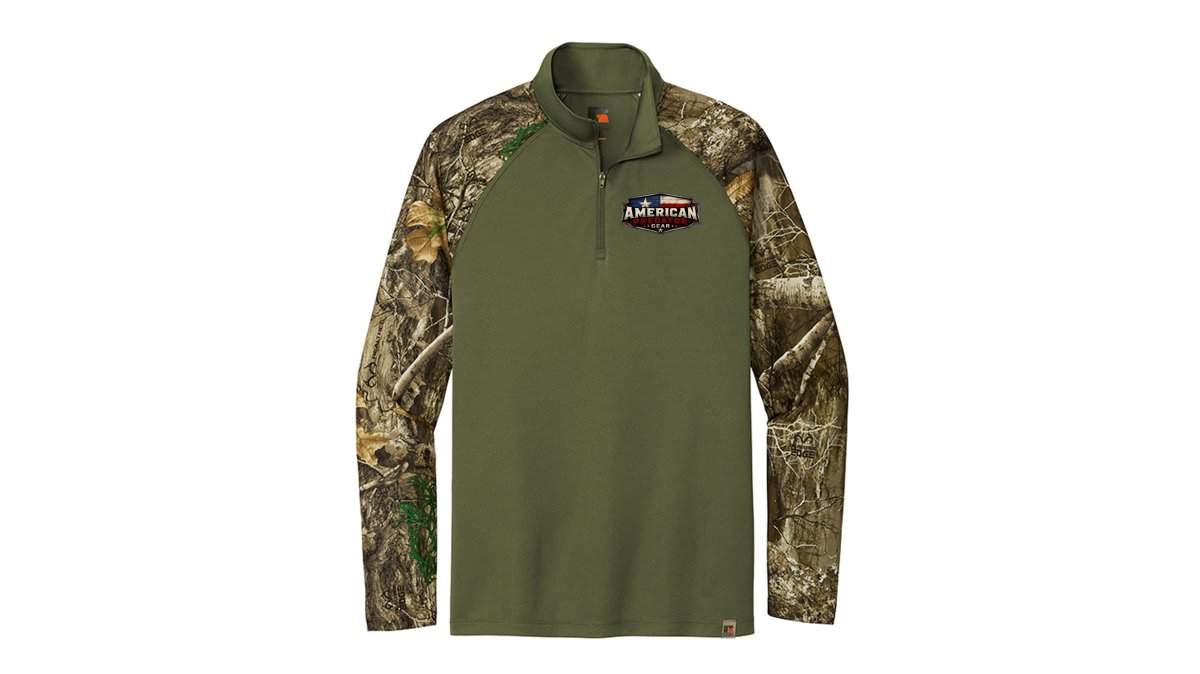
The American Predator Gear Camo Long Sleeve ($49.99) combines moisture-wicking performance with the aesthetic that honors hunting tradition. Designed by hunters who understand field conditions, it provides the functionality you need without compromising on the patriotic style that represents the hunting lifestyle. The tag-free design eliminates irritation during long sits, and the Realtree EDGE camo pattern blends effectively across diverse Oklahoma terrain.
Cold-Weather Layers and Performance Apparel
Late-season Oklahoma hunting means cold temperatures, especially in December and January. Proper cold-weather layering prevents discomfort and keeps you in the field longer, increasing your chances of success.
Outer shell layers should be windproof and water-resistant. Wind cuts through inadequate clothing, rapidly draining body heat. A quality outer layer blocks wind while allowing moisture to escape, keeping you dry and warm.
Insulated pants are often overlooked but essential for sitting hunts. Your legs lose heat rapidly when stationary, especially when sitting elevated in a tree stand. Insulated, quiet pants designed for hunting provide warmth without the noise that cotton or synthetic materials can create.
Extremity protection, gloves, hats, and socks, determines whether you can stay comfortable for a full hunt. Numb fingers can't manipulate a bow or rifle effectively. Quality hunting socks keep feet warm and dry, preventing blisters on long hikes to your hunting location. Gloves designed for hunting allow enough dexterity to handle equipment while providing warmth.
Field Dressing, Harvest Reporting, and Conservation
Harvesting a deer is the beginning of the process, not the end. How you handle the animal after harvest reflects your respect for the resource and your commitment to conservation.
Field dressing, removing the internal organs, should happen as soon as possible after harvest to cool the meat and prevent spoilage. The process requires a sharp knife, basic knowledge of anatomy, and careful technique.
Harvest reporting is mandatory. Oklahoma requires hunters to report all harvested deer through the ODWC system. This reporting supports wildlife management decisions and helps the state understand population trends. The process is straightforward, you can report online or through phone, but it's legally required and ethically essential.
Conservation stamps and habitat fees support the lands and wildlife that make Oklahoma hunting possible. When you purchase licenses and stamps, that money funds wildlife management, habitat restoration, and public land access. Supporting these programs ensures that future generations have the same hunting opportunities you enjoy.
The hunting community's commitment to conservation separates hunters from mere killers. Hunters understand that sustainable harvests require active management, habitat investment, and population monitoring. By following regulations, reporting harvests, and supporting conservation efforts, you're participating in a tradition that extends back generations and forward to hunters who will come after you.
Oklahoma hunting represents more than a seasonal pursuit, it's a commitment to tradition, conservation, and the outdoor lifestyle. Whether you're pursuing deer in a tree stand, calling turkeys across open fields, or walking upland cover, you're participating in a heritage that shapes who you are. The regulations, seasons, and licensing requirements exist to ensure that this tradition continues sustainably. Respect the rules, invest in quality gear that honors the hunting lifestyle, and represent the outdoor community with pride. At American Predator Gear, we design apparel that celebrates exactly this, the grit, humor, and patriotic spirit of hunters who understand that being in the field is where life truly happens. Shop our exclusive hunting designs and wear your passion for the outdoors every day.
Frequently Asked Questions
Q: What animals can I hunt in Oklahoma?
A: Oklahoma offers diverse hunting opportunities including whitetail deer (the primary game species), turkey, waterfowl, feral swine, upland game birds, and migratory game birds. Deer season attracts most hunters, with archery season running September through December and gun season typically November through early January. Turkey seasons occur in spring and fall, while waterfowl seasons align with federal regulations. Each species has specific bag limits and legal hunting hours set by the Oklahoma Department of Wildlife Conservation.
Q: How much does an Oklahoma hunting license cost?
A: Resident hunting licenses are affordable compared to other states. Non-residents pay higher fees. Youth hunters (under 16) qualify for discounted rates or free licenses in some cases. A conservation stamp is required in addition to your base license. Check the Oklahoma Department of Wildlife Conservation website for current year pricing and any special promotions.
Q: Is Oklahoma a one-buck state?
A: No, Oklahoma is not strictly a one-buck state, but regulations vary by hunting method and zone. Archery season typically allows one antlered deer, while gun season may permit additional antlerless deer depending on your wildlife management area. Some zones offer controlled hunts with specific harvest quotas to manage antlerless deer populations. Check your specific hunting zone and season type before the season opens, as regulations change annually based on wildlife management goals and habitat conditions.
Q: Where can I find public land for hunting in Oklahoma?
A: Oklahoma has numerous Wildlife Management Areas (WMAs) and public hunting lands managed by the Oklahoma Department of Wildlife Conservation. Public land access maps are available online through the state wildlife website, showing WMA boundaries, parking areas, and permitted hunting methods. Many WMAs require free permits or have specific access rules. National Grasslands and Bureau of Land Management properties also offer hunting opportunities. Always verify current access rules and obtain required permits before heading to public land.
This article was written using GrandRanker