

Table of Contents
- Start With a Hunting Gear Checklist Before You Buy
- Best Hunting Gear for Beginners: What to Buy First
- How to Evaluate Gear Quality Before You Buy
- Match Your Kit to Big Game, Small Game, and Terrain
- Used vs. New Gear: Where to Save and Where to Spend
- How to Wash Hunting Gear So It Lasts
- Gear Maintenance, Repair, and Off-Season Storage
- Frequently Asked Questions
Last Updated: September 15, 2026
Start With a Hunting Gear Checklist Before You Buy
Figuring out how to find hunting gear gets a lot easier when you stop shopping and start listing. A hunting gear checklist is simply a written inventory of what you need for the specific game, season, and terrain you hunt, organized from the skin out.
Build your list in four tiers, in this order:
- Base and insulation layers that move sweat away from your skin
- Camo apparel for concealment and weather protection
- Footwear matched to terrain and distance
- Optics, rangefinders, and archery gear for the shot itself
Write the list before you open a single browser tab. It keeps you honest when a sale pops up.
Core Layers and Camo Apparel
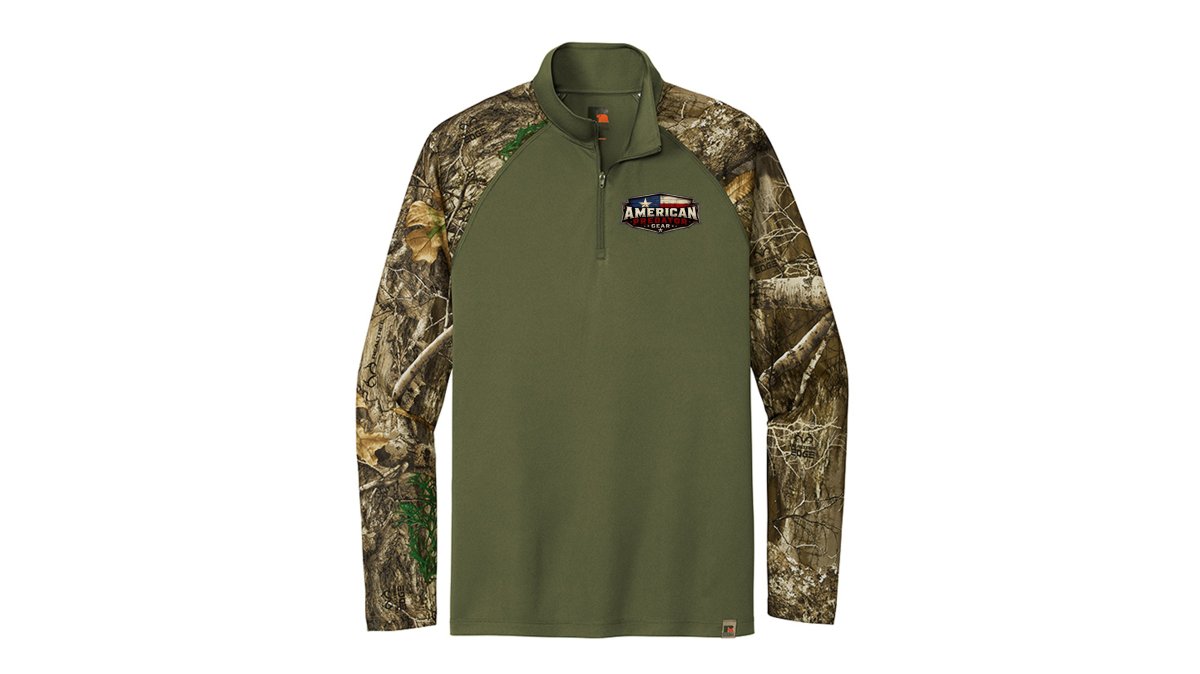
Layers do the work, not the jacket. A good system starts with a moisture-wicking base layer, adds a breathable mid layer for thermal regulation, and finishes with a weather-resistant shell that blocks wind and rain. Camo apparel sits on top of that system and handles concealment.
What most guides miss is that layering matters more than any single piece. Buy three mid-priced layers that work together and you'll out-hunt a guy in one expensive jacket every cold morning of the season.
Optics, Rangefinders, and Archery Gear
Optics are where cheap gear shows its weaknesses fastest. Binoculars and rangefinders get used every single sit, in low light, in rain, in freezing temperatures. Buy the best glass you can afford and treat it as a decade-long purchase.
Archery gear follows a different rule. Bows, releases, and arrows are personal, so shoot before you buy and let shot placement and comfort drive the decision, not the spec sheet.
Best Hunting Gear for Beginners: What to Buy First
The best hunting gear for beginners is a short list: one solid base layer set, one weather-resistant shell, one pair of broken-in boots, and one reliable rifle or bow setup. Everything else can wait a season.
New hunters lose the most money by buying a full kit at once. Here's a smarter sequence:
- Boots and base layers first, since you wear them every trip
- A weather-resistant shell second
- Optics third
- Camo apparel and pack systems last, once you know how you actually hunt
Buy used or entry-level on anything you're unsure about. Upgrade after a full season tells you what you actually reach for.

How to Evaluate Gear Quality Before You Buy
Quality hunting gear is defined by four things: fabric weight and weave, stitching density, hardware durability, and how the piece handles water. You can judge all four in about two minutes in a store.
Start with the seams. Run your thumb along an inside seam and pull gently. Tight, even stitching holds. Loose or skipped stitches fail first. Next, check the zippers and snaps; cheap hardware is the number one field failure point on jackets and packs.
Fabric, Stitching, and Weather Resistance
Waterproof and breathable are not the same thing, and gear that claims both usually delivers one. Look for taped seams on anything advertised as waterproof. Untaped seams leak at the needle holes, no matter what the fabric label says.
For scent control, fabric choice matters less than how you care for it. More on that below.
Match Your Kit to Big Game, Small Game, and Terrain
Your kit should change with what you chase and where you chase it. A whitetail setup for timber looks nothing like a high-plains coyote rig or a mountain elk load. The mistake most hunters make is building one kit and forcing it to work everywhere; the fix is building a small number of terrain-specific loadouts and rotating them by season.
Start by separating your gear into two buckets: core gear that travels to every hunt (boots, base layers, knife, headlamp, first aid, license holder) and mission gear that changes with game and terrain (optics magnification, pack volume, insulation weight, calling tools, game bags). Core gear lives in one bin. Mission gear gets sorted into labeled kits.
| Hunt Type | Priority Gear | Terrain Consideration |
|---|---|---|
| Whitetail, tree stand | Base layers, camo, scent control, haul line | Concealment over mobility; quiet fabrics matter more than durability |
| Coyote, open country | High-magnification optics, rangefinders, calling gear, shooting sticks | Long glassing sessions; tripod or bipod beats freehand |
| Hog, brush country | Durable pants, tall boots, frame pack, game bags | Thorns and wet ground shred light fabrics; expect to drag or quarter |
| Elk, mountain | Load carriage, layered insulation, trekking poles | Elevation and distance; every ounce gets weighed twice |
| Waterfowl, wetlands | Waders, waterproof shell, blind bag, decoys | Cold water and mud; neoprene vs. breathable waders is the key call |
| Small game, mixed cover | Light shotgun or rimfire, vest with game pouch, blaze orange | Mobility over load; you walk far and shoot fast |
Big Game vs. Small Game: What Actually Changes
Big game hunting rewards patience and load carriage. You may sit for hours in cold, then carry weight out. That pushes you toward warmer insulation, a frame pack rated for heavy loads, game bags, and optics you can glass with for long stretches without eye fatigue.
Small game hunting rewards speed and shot readiness. You move constantly, shoot quickly, and carry far less. A light vest with a game pouch, a rimfire or shotgun you can swing fast, and blaze orange for visibility matter more than load capacity. Buying a heavy big-game pack for rabbit hunting is a common and expensive mismatch.
Build Terrain-Specific Loadouts
Most guides skip this entirely. Build a labeled kit for each place you hunt regularly, and rotate them by season instead of re-buying the same items twice:
- Brush-country kit: abrasion-resistant pants, tall boots, frame pack, game bags, gloves that survive thorns
- Mountain kit: load-rated pack, layered insulation, trekking poles, windproof shell, blister kit
- Stand kit: quiet camo, scent-controlled layers, haul line, small pack you can hang, hand warmer
- Wetland kit: waders matched to water temperature, waterproof shell, blind bag, dry bag for phone and calls
Label each kit in a tote or duffel with a printed inventory list taped inside the lid. When you swap kits, you swap the whole bin, and nothing gets left on the tailgate. This is also the fastest way to spot what you actually use versus what you keep re-buying because it never made it into a kit.
Used vs. New Gear: Where to Save and Where to Spend
Buy used on hard goods, buy new on soft goods. That's the short version, and it holds up.
Used rifles, bows, and optics are often excellent values because hunters baby them. Inspect the glass for scratches, check the action, and ask how many seasons the item saw. Used packs and metal hardware are usually safe buys too.
Spend new money on anything that touches your skin or takes daily abrasion: base layers, socks, boots.
How to Wash Hunting Gear So It Lasts
Scent Control and Fabric Care
Gear Maintenance, Repair, and Off-Season Storage
Inspect Before You Store
Repair Before You Replace
Store It So It Survives the Off-Season
Frequently Asked Questions
What are the essential items for a beginner hunter?
Start with a hunting gear checklist built around layers: a moisture-wicking base layer, an insulating mid-layer, and a weather-resistant outer shell in a camo pattern suited to your terrain. Add sturdy waterproof boots, a reliable pack for load carriage, binoculars, and a headlamp. Buy the best boots and optics you can afford, then fill in the rest as you learn your hunting season. Beginner kits should prioritize fit, quiet fabric, and durability over gadget count.
How do I choose the right camouflage pattern for my environment?
Match the pattern to the dominant cover where you hunt. Timber and whitetail woods call for vertical branch-style patterns; open plains and sage favor lighter, broken-up tones; ground blinds work with darker, shadow-heavy prints. Realtree EDGE, for example, blends well across mixed terrain. Concealment matters most at eye level, so think about what surrounds your stand or blind, not what looks good in a catalog photo.
Is it better to buy hunting gear online or in-store?
Online gives you more selection, limited-edition drops, and often better prices on camo apparel and optics. In-store lets you try boots and base layers for fit before committing. A practical approach: buy boots and packs in person if you can, and order apparel, accessories, and replacement parts online. Read return policies first, since sizing varies between brands, especially for women's cuts that are actually built for women's bodies.
How do I maintain my hunting gear to ensure it lasts?
Wash technical layers in cold water with a scent-free, enzyme-free detergent, then air dry. Never use fabric softener, which clogs breathable membranes. Re-waterproof shells each season with a spray-on treatment. Store boots dry and stuffed, keep optics in a padded case, and check straps, zippers, and seams before opening day. Gear maintenance and repair between seasons is what separates apparel that lasts three years from apparel that lasts one.
The hardest part of gear shopping isn't finding options, it's knowing which ones earn a spot in your truck. American Predator Gear makes that easier with apparel designed by hunters, for hunters, including exclusive monthly releases and limited-time designs that celebrate the grit and humor of the outdoors. Shop American Predator Gear and gear up with clothing that honors every cold morning, every blown stalk, and every tag punched.